Warranties
Roof Sealant (6 Best Types For Long-Lasting Protection)
Roof sealant plays a critical role in protecting vulnerable areas of your roofing system from moisture intrusion. While shingles and underlayment provide primary protection, sealant reinforces seams, flashing edges, penetrations, and joints that are naturally exposed to water. Choosing the right roof sealant can extend the life of your roof and reduce the risk of a roof leak developing in high stress areas. For homeowners in Charlotte, NC, understanding the best types of sealant and proper application methods helps ensure long lasting performance.
- Sealant types: Common products used in residential roofing
- Performance factors: What affects durability and adhesion
- Application guidance: How to achieve even coverage
- Cost considerations: What homeowners can expect
What Is Roof Sealant And Why It Matters
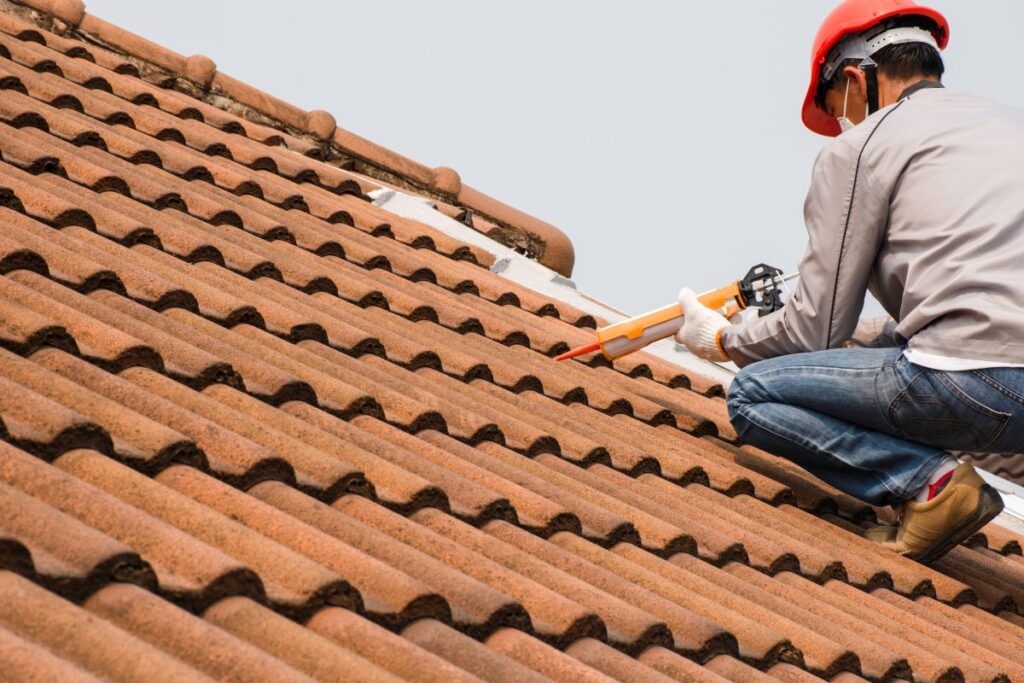
Roof sealant is a waterproof compound applied to joints, flashing seams, vent penetrations, and fasteners to prevent water intrusion. It is commonly installed around chimneys, skylights, and transition points where roofing materials meet. When properly applied, roof sealant creates a flexible barrier that expands and contracts with temperature changes while maintaining adhesion.
Sealant does not replace proper roof installation, but it reinforces vulnerable areas and strengthens the overall weather barrier. In Charlotte’s climate, where storms and humidity are common, maintaining sealed transition points significantly reduces the likelihood of premature deterioration.
6 Types Of Roof Sealant
Different roofing systems require different sealant products. Selecting the right material depends on roof slope, exposure conditions, and compatibility with existing materials such as asphalt shingles or metal roofs.
1. Silicone Sealant
Silicone is best for flat roofs with standing water, acrylic is ideal for sloped roofs in sunny, hot climates, and polyurethane is optimal for high-traffic areas or climates prone to hail.
- Water resistance: Strong protection against ponding
- UV durability: Resists sun breakdown
- Flexibility: Maintains elasticity long term
2. Polyurethane Sealant
Polyurethane offers strong adhesion and impact resistance around flashing and penetrations.
- Adhesion strength: Bonds tightly to various materials
- Durability: Handles movement and expansion
- Versatility: Suitable for residential systems
3. Acrylic Sealant
Acrylic roof sealants are water-based and known for their excellent UV resistance and flexibility, making them suitable for various roofing materials including metal, asphalt, and concrete.
- Affordability: Lower material cost
- Ease of application: Simple installation
- Climate suitability: Best for moderate exposure
4. Butyl Rubber Sealant
Butyl based adhesives are commonly used for sealing seams and metal components.
- Moisture barrier: Strong waterproof protection
- Elastic performance: Remains flexible
- Flashing use: Ideal for edge transitions
5. Asphalt Roof Cement
Asphalt roof cement is typically used for minor repairs and patching.
- Quick fix: Addresses small roof leak areas
- Compatibility: Works with asphalt shingles
- Temporary repair: May require maintenance
6. Liquid Rubber Coatings
Liquid rubber coatings are often applied for broader coverage, especially on low slope sections.
- Seamless finish: Continuous protective layer
- Even coverage: Reduces surface gaps
- Flat roof use: Ideal for wide surfaces
Steps To Apply Roof Sealant Properly
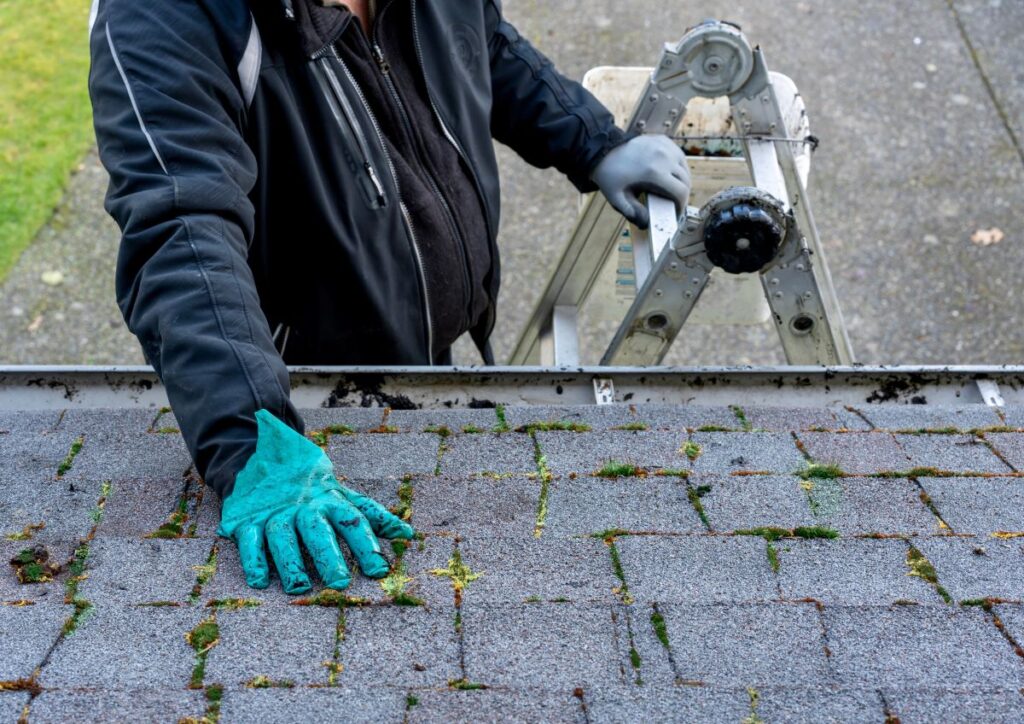
Applying roof sealant correctly is essential for durability and performance. Poor preparation, uneven application, or installing product in wet conditions can reduce effectiveness and shorten lifespan.
Inspect The Roof Surface
Inspect the roof for any existing damage, such as cracks, holes, or loose shingles, and repair any damage. Identify the exact source of water intrusion before applying sealant. According to the U.S. Department of Energy, heavy rains can pour thousands of gallons of water onto a home’s roof in a single storm — and where roofs intersect walls or penetrations without proper sealing, that water can leak into the structure and cause serious long-term damage.
Clean And Prepare The Area
Remove debris, dust, and loose material to ensure proper bonding. A pressure washer may be used to clean heavily soiled areas, but surfaces must fully dry before sealant is installed. Moisture left beneath the product can compromise adhesion and performance.
Use The Proper Tools And Materials
Use appropriate tools such as a caulking gun and putty knife to control application thickness. Select compatible adhesives that bond effectively with asphalt shingles, metal roofs, and flashing materials. Proper tool use improves consistency and reduces product waste.
Apply For Even Coverage And Proper Curing
Apply sealant in consistent lines along seams, flashing edges, and penetrations. Maintain even coverage without excessive buildup. Allow the sealant to dry and cure according to the manufacturer’s guidelines, which may take several hours to a few days depending on the type of sealant and weather conditions.
Roof Sealant Cost Breakdown
Roof sealant costs depend on the type of product, size of the repair area, and labor requirements. Minor applications are typically affordable compared to structural repairs.
| Application Type | Typical Cost Range | Description |
| Small repair area | $150 to $400 | Sealing vents or flashing joints |
| Moderate resealing | $400 to $900 | Multiple seams or penetrations |
| Large area coating | $1,000 to $3,000+ | Broad surface coverage |
Costs may vary depending on roof pitch, accessibility, and whether additional materials must be removed before installation. Professional application ensures the sealant is installed properly and reduces the likelihood of repeat issues.
When To Reapply Roof Sealant
Sealant can degrade over time due to UV exposure, expansion and contraction, and severe weather. Routine inspections help identify areas that require maintenance before leaks develop.
Indicators include:
- Cracking: Visible surface separation
- Peeling: Loss of adhesion along the edge
- Discoloration: UV related breakdown
- Moisture intrusion: Early roof leak warning
Proactive maintenance extends the lifespan of your roofing materials and prevents minor issues from becoming major repairs.
Common FAQs About Roof Sealant
How long does roof sealant last?
Most roof sealants last between 5 and 15 years depending on product type and environmental exposure.
Can sealant fix an active roof leak?
Sealant can temporarily address small leaks, but underlying structural issues should be repaired for long term protection.
Is roof sealant safe for metal roofs?
Yes, certain products are specifically formulated for metal roofs and flashing systems.
Should sealant be applied during roof installation?
Yes, sealant is commonly installed during roof installation to reinforce flashing seams and transition areas.
How To Choose The Right Roofing Contractor For Sealant Application
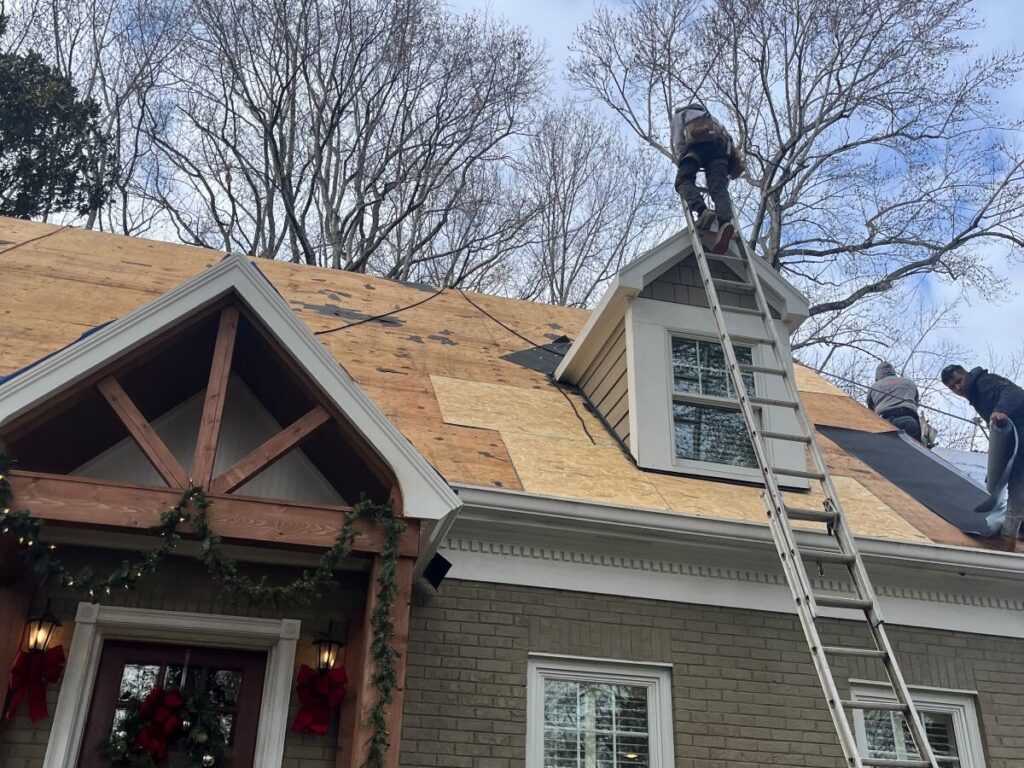
Selecting the right contractor ensures proper product selection and application technique.
Look for:
- Local experience: Familiarity with Charlotte weather patterns
- Material expertise: Knowledge of sealant compatibility
- Proper preparation: Thorough cleaning before installation
- Clear scope: Defined repair areas and materials
- Warranty coverage: Protection for workmanship
Working with a trusted local roofing company ensures sealant strengthens your roof rather than masking deeper issues.
Protect Your Roof With Professional Sealant Application
Roof sealant provides valuable reinforcement when applied correctly and maintained regularly. At Rock Roofing, we help Charlotte homeowners determine the best sealant type for their roofing system and ensure proper application for long lasting protection.
We are proud to serve homeowners throughout Charlotte, NC, and surrounding communities with professional roofing services designed to reduce the risk of roof leak issues and extend the life of your roofing system. If you are considering roof sealant application or need targeted repairs, contact Rock Roofing today to schedule an inspection and protect your home from moisture intrusion.