Insurance
Roof Insurance Claim (7 Steps To File & Get Approved 2026)
Filing a roof insurance claim can feel overwhelming, especially after storm damage or sudden roof failure. Understanding the claim filing process improves your chances of approval and helps you avoid delays, underpayment, or confusion about coverage. For homeowners in Weddington and across the Charlotte area, knowing how a roof insurance claim works in 2026 — including how ACV vs RCV policies impact payouts — can make the difference between partial coverage and a fully restored roof.
- Claim steps: What to do from inspection to payout
- Documentation tips: How to strengthen your case
- ACV vs RCV: How policy type affects reimbursement
- Common mistakes: Errors that delay payment
What Is A Roof Insurance Claim?

A roof insurance claim is a formal request submitted to your homeowner’s insurance provider to cover damage caused by qualifying events such as wind, hail, or falling debris. Most policies cover sudden and accidental damage but do not cover normal wear and tear or aging materials.
According to the Insurance Institute for Business & Home Safety, 70 to 90 percent of storm-related insurance claims involve roof damage — making the roof the single most important factor in most homeowner insurance claims, and proper documentation critical to a successful outcome. Before beginning the claim filing process, review your policy carefully. Understanding deductibles, depreciation rules, and coverage limitations ensures realistic expectations during approval and payment.
ACV Vs RCV: Understanding Your Coverage
One of the most important parts of a roof insurance claim is knowing whether your policy is ACV or RCV.
ACV (Actual Cash Value)
An ACV policy pays the depreciated value of your roof at the time of loss. Depreciation is subtracted based on age and condition.
- Depreciation deducted: Payment reflects current value
- Lower payout: Homeowner covers age related reduction
- Common for older roofs: Reduced reimbursement
RCV (Replacement Cost Value)
An RCV policy pays the full replacement cost of the roof, minus your deductible. Depreciation may be withheld initially and released after work is completed.
- Higher reimbursement: Covers cost to replace roof
- Depreciation recoverable: Paid after repairs are completed
- Better long term coverage: More comprehensive protection
Understanding ACV vs RCV helps homeowners avoid surprises during the claim filing process and plan financially for any out of pocket costs. If you’re also wondering whether notifying your insurer about a recent replacement affects future premiums, our guide on whether to tell insurance about a new roof breaks down what to consider.
7 Steps To File A Roof Insurance Claim In 2026
Filing correctly and documenting thoroughly increases the likelihood of approval and fair compensation. Following a structured claim filing process strengthens your roof insurance claim and reduces delays.
1. Schedule A Professional Roof Inspection
Before contacting your insurance company, have a licensed roofing contractor inspect your roof. A professional evaluation confirms whether damage qualifies under storm related coverage.
- Damage verification: Confirm qualifying impact
- Photo documentation: Capture clear evidence
- Written report: Detailed inspection summary
2. Document All Visible Damage
Thorough documentation strengthens your roof insurance claim and supports your case during review.
- Exterior photos: Shingles, flashing, gutters
- Interior evidence: Ceiling stains or moisture
- Wide and close images: Show full scope
Pay close attention to areas around chimneys, vents, and valleys where roof flashing repair issues are commonly found after storms.
3. Prevent Further Damage
Insurance policies require homeowners to mitigate additional damage while the roof insurance claim is pending.
- Temporary tarping: Protect exposed areas
- Secure loose materials: Prevent worsening damage
- Keep receipts: Track mitigation expenses
4. Contact Your Insurance Provider
Initiate the claim filing process promptly after confirming storm damage.
- Policy information ready: Expedite claim opening
- Storm date provided: Accurate timeline
- Damage description: Clear initial summary
5. Meet With The Insurance Adjuster
The adjuster inspects your property to evaluate the roof insurance claim. Having your contractor present can help ensure accurate damage assessment.
- Joint walkthrough: Review impacted areas
- Scope clarification: Address discrepancies
- Ask questions: Understand coverage decisions
6. Review The Insurance Estimate
Carefully compare the adjuster’s estimate with your contractor’s proposal before approving work.
- Line by line review: Compare scopes
- Material allowances: Confirm product accuracy
- Supplement requests: Submit corrections if needed
7. Approve Repairs And Begin Work
Once your roof insurance claim is approved, repairs or replacement can begin.
- Deductible payment: Confirm homeowner portion
- Material ordering: Secure approved materials
- Project timeline: Schedule installation
Roof Insurance Claim Timeline
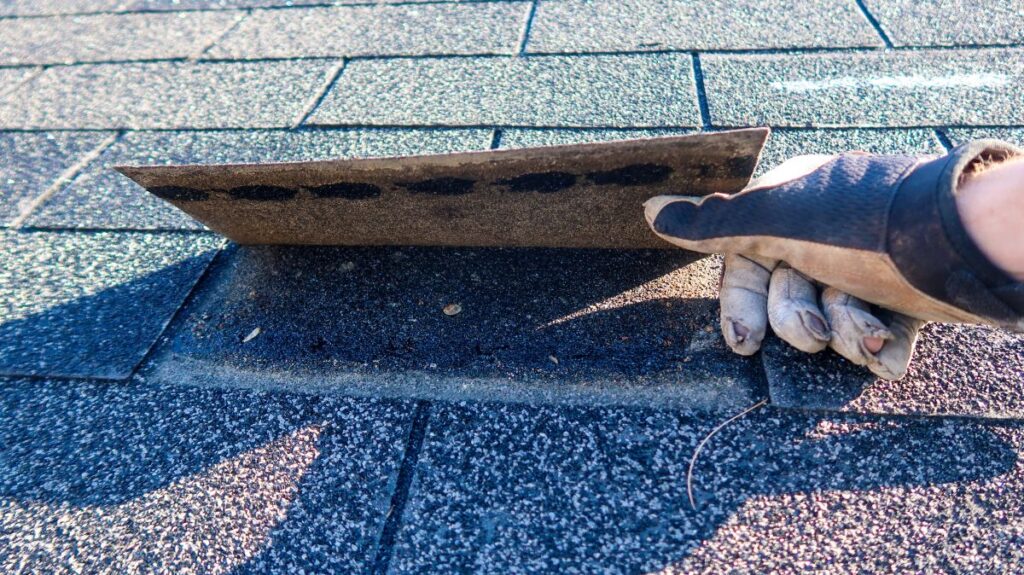
Understanding the timeline helps set realistic expectations throughout the claim filing process.
| Stage | Typical Timeframe | What Happens |
| Inspection | 1–3 days | Contractor evaluates damage |
| Claim filing | Same week | Claim submitted to insurer |
| Adjuster visit | 1–2 weeks | Insurance inspection completed |
| Estimate review | 1–2 weeks | Scope finalized |
| Repair scheduling | 2–4 weeks | Materials ordered and work begins |
Storm volume and regional demand can extend these timeframes.
What Insurance Companies Look For
Insurance providers evaluate several factors when reviewing a roof insurance claim. Homeowners in Wesley Chapel and nearby communities should be prepared for a thorough review process.
- Storm related damage: Evidence of sudden impact
- Roof age: Remaining service life
- Maintenance history: Signs of neglect
- Policy structure: ACV vs RCV coverage
Clear documentation and professional inspection reports improve approval odds.
Common Reasons Roof Insurance Claims Get Denied
Not all claims are approved. Understanding common denial reasons helps homeowners prepare stronger documentation.
- Normal wear and tear: Gradual deterioration
- Improper installation: Pre-existing workmanship issues
- Late reporting: Filing outside policy window
- Insufficient documentation: Lack of supporting evidence
If denied, homeowners may request reinspection or provide supplemental documentation.
Common FAQs About Roof Insurance Claims
Homeowners often have questions about the claim filing process, coverage limits, and payout structure. Because every roof insurance claim is tied to specific policy language, reviewing ACV vs RCV details is critical before moving forward.
Does insurance cover full roof replacement?
If storm damage is extensive and qualifies under your policy, full replacement may be covered. Policy type (ACV vs RCV) determines reimbursement amount.
How does depreciation affect my payout?
Under ACV policies, depreciation reduces the initial payout. Under RCV policies, recoverable depreciation is often paid after repairs are completed.
Should I call a roofer or insurance company first?
Scheduling a professional inspection first helps confirm legitimate damage before beginning the claim filing process.
How long do I have to file a claim?
Most policies require filing within 6 to 12 months after the storm event.
How To Choose The Right Roofing Contractor For Insurance Claims
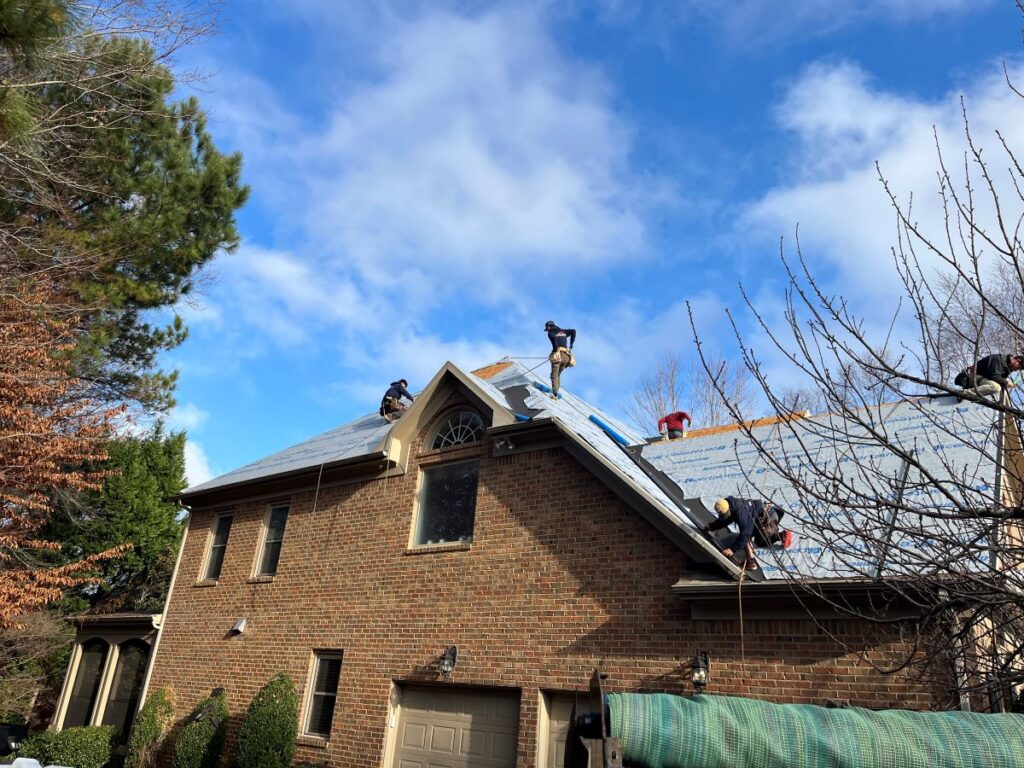
Working with an experienced contractor simplifies the roof insurance claim process.
Look for:
- Insurance claim experience: Familiarity with adjuster procedures
- Detailed documentation: Clear inspection reports
- Local knowledge: Understanding Charlotte storm patterns
- Transparent estimates: Scope aligned with insurance documentation
- Licensed and insured status: Protection for your property
An experienced contractor helps ensure the claim filing process is handled properly from inspection to final approval.
Protect Your Investment With Expert Claim Support
Navigating a roof insurance claim requires accurate documentation, clear communication, and a solid understanding of ACV vs RCV policies. At Rock Roofing, we guide Charlotte homeowners through every stage of the claim filing process, ensuring damage is properly assessed and documented.
We are proud to serve homeowners throughout Charlotte, NC, and surrounding communities like Marvin with professional roofing services and insurance claim support. If your home has experienced storm damage and you are considering filing a roof insurance claim in 2026, contact Rock Roofing today to schedule a professional inspection and protect your property.
Filing a roof insurance claim can feel overwhelming, especially after storm damage or sudden roof failure. Understanding the claim filing process improves your chances of approval and helps you avoid delays, underpayment, or confusion about coverage. For homeowners in Weddington and across the Charlotte area, knowing how a roof insurance claim works in 2026 — including how ACV vs RCV policies impact payouts — can make the difference between partial coverage and a fully restored roof.
- Claim steps: What to do from inspection to payout
- Documentation tips: How to strengthen your case
- ACV vs RCV: How policy type affects reimbursement
- Common mistakes: Errors that delay payment
What Is A Roof Insurance Claim?
A roof insurance claim is a formal request submitted to your homeowner’s insurance provider to cover damage caused by qualifying events such as wind, hail, or falling debris. Most policies cover sudden and accidental damage but do not cover normal wear and tear or aging materials.
According to the Insurance Institute for Business & Home Safety, 70 to 90 percent of storm-related insurance claims involve roof damage — making the roof the single most important factor in most homeowner insurance claims, and proper documentation critical to a successful outcome. Before beginning the claim filing process, review your policy carefully. Understanding deductibles, depreciation rules, and coverage limitations ensures realistic expectations during approval and payment.
ACV Vs RCV: Understanding Your Coverage
One of the most important parts of a roof insurance claim is knowing whether your policy is ACV or RCV.
ACV (Actual Cash Value)
An ACV policy pays the depreciated value of your roof at the time of loss. Depreciation is subtracted based on age and condition.
- Depreciation deducted: Payment reflects current value
- Lower payout: Homeowner covers age related reduction
- Common for older roofs: Reduced reimbursement
RCV (Replacement Cost Value)
An RCV policy pays the full replacement cost of the roof, minus your deductible. Depreciation may be withheld initially and released after work is completed.
- Higher reimbursement: Covers cost to replace roof
- Depreciation recoverable: Paid after repairs are completed
- Better long term coverage: More comprehensive protection
Understanding ACV vs RCV helps homeowners avoid surprises during the claim filing process and plan financially for any out of pocket costs. If you’re also wondering whether notifying your insurer about a recent replacement affects future premiums, our guide on whether to tell insurance about a new roof breaks down what to consider.
7 Steps To File A Roof Insurance Claim In 2026
Filing correctly and documenting thoroughly increases the likelihood of approval and fair compensation. Following a structured claim filing process strengthens your roof insurance claim and reduces delays.
1. Schedule A Professional Roof Inspection
Before contacting your insurance company, have a licensed roofing contractor inspect your roof. A professional evaluation confirms whether damage qualifies under storm related coverage.
- Damage verification: Confirm qualifying impact
- Photo documentation: Capture clear evidence
- Written report: Detailed inspection summary
2. Document All Visible Damage
Thorough documentation strengthens your roof insurance claim and supports your case during review.
- Exterior photos: Shingles, flashing, gutters
- Interior evidence: Ceiling stains or moisture
- Wide and close images: Show full scope
Pay close attention to areas around chimneys, vents, and valleys where roof flashing repair issues are commonly found after storms.
3. Prevent Further Damage
Insurance policies require homeowners to mitigate additional damage while the roof insurance claim is pending.
- Temporary tarping: Protect exposed areas
- Secure loose materials: Prevent worsening damage
- Keep receipts: Track mitigation expenses
4. Contact Your Insurance Provider
Initiate the claim filing process promptly after confirming storm damage.
- Policy information ready: Expedite claim opening
- Storm date provided: Accurate timeline
- Damage description: Clear initial summary
5. Meet With The Insurance Adjuster
The adjuster inspects your property to evaluate the roof insurance claim. Having your contractor present can help ensure accurate damage assessment.
- Joint walkthrough: Review impacted areas
- Scope clarification: Address discrepancies
- Ask questions: Understand coverage decisions
6. Review The Insurance Estimate
Carefully compare the adjuster’s estimate with your contractor’s proposal before approving work.
- Line by line review: Compare scopes
- Material allowances: Confirm product accuracy
- Supplement requests: Submit corrections if needed
7. Approve Repairs And Begin Work
Once your roof insurance claim is approved, repairs or replacement can begin.
- Deductible payment: Confirm homeowner portion
- Material ordering: Secure approved materials
- Project timeline: Schedule installation
Roof Insurance Claim Timeline
Understanding the timeline helps set realistic expectations throughout the claim filing process.
| Stage | Typical Timeframe | What Happens |
| Inspection | 1–3 days | Contractor evaluates damage |
| Claim filing | Same week | Claim submitted to insurer |
| Adjuster visit | 1–2 weeks | Insurance inspection completed |
| Estimate review | 1–2 weeks | Scope finalized |
| Repair scheduling | 2–4 weeks | Materials ordered and work begins |
Storm volume and regional demand can extend these timeframes.
What Insurance Companies Look For
Insurance providers evaluate several factors when reviewing a roof insurance claim. Homeowners in Wesley Chapel and nearby communities should be prepared for a thorough review process.
- Storm related damage: Evidence of sudden impact
- Roof age: Remaining service life
- Maintenance history: Signs of neglect
- Policy structure: ACV vs RCV coverage
Clear documentation and professional inspection reports improve approval odds.
Common Reasons Roof Insurance Claims Get Denied
Not all claims are approved. Understanding common denial reasons helps homeowners prepare stronger documentation.
- Normal wear and tear: Gradual deterioration
- Improper installation: Pre-existing workmanship issues
- Late reporting: Filing outside policy window
- Insufficient documentation: Lack of supporting evidence
If denied, homeowners may request reinspection or provide supplemental documentation.
Common FAQs About Roof Insurance Claims
Homeowners often have questions about the claim filing process, coverage limits, and payout structure. Because every roof insurance claim is tied to specific policy language, reviewing ACV vs RCV details is critical before moving forward.
Does insurance cover full roof replacement?
If storm damage is extensive and qualifies under your policy, full replacement may be covered. Policy type (ACV vs RCV) determines reimbursement amount.
How does depreciation affect my payout?
Under ACV policies, depreciation reduces the initial payout. Under RCV policies, recoverable depreciation is often paid after repairs are completed.
Should I call a roofer or insurance company first?
Scheduling a professional inspection first helps confirm legitimate damage before beginning the claim filing process.
How long do I have to file a claim?
Most policies require filing within 6 to 12 months after the storm event.
How To Choose The Right Roofing Contractor For Insurance Claims
Working with an experienced contractor simplifies the roof insurance claim process.
Look for:
- Insurance claim experience: Familiarity with adjuster procedures
- Detailed documentation: Clear inspection reports
- Local knowledge: Understanding Charlotte storm patterns
- Transparent estimates: Scope aligned with insurance documentation
- Licensed and insured status: Protection for your property
An experienced contractor helps ensure the claim filing process is handled properly from inspection to final approval.
Protect Your Investment With Expert Claim Support
Navigating a roof insurance claim requires accurate documentation, clear communication, and a solid understanding of ACV vs RCV policies. At Rock Roofing, we guide Charlotte homeowners through every stage of the claim filing process, ensuring damage is properly assessed and documented.
We are proud to serve homeowners throughout Charlotte, NC, and surrounding communities like Marvin with professional roofing services and insurance claim support. If your home has experienced storm damage and you are considering filing a roof insurance claim in 2026, contact Rock Roofing today to schedule a professional inspection and protect your property.