Warranties
Chimney Flashing (4 Leak Causes & Repair Solutions)
Chimney flashing is one of the most critical components protecting your roof from water intrusion. Because chimneys penetrate the roof surface, they create natural gaps where water can enter if flashing is damaged or improperly installed. When chimney flashing fails, it often leads to moisture intrusion, interior staining, and hidden structural damage that can extend into the attic. For homeowners in Charlotte, NC, understanding common causes and repair solutions can help prevent costly repairs and long term deterioration.
- Leak causes: Why chimney flashing fails
- Warning indicators: Early signs of moisture intrusion
- Repair solutions: When resealing works and when replacement is needed
- Prevention tips: How to reduce recurring issues
What Is Chimney Flashing And Why It Matters
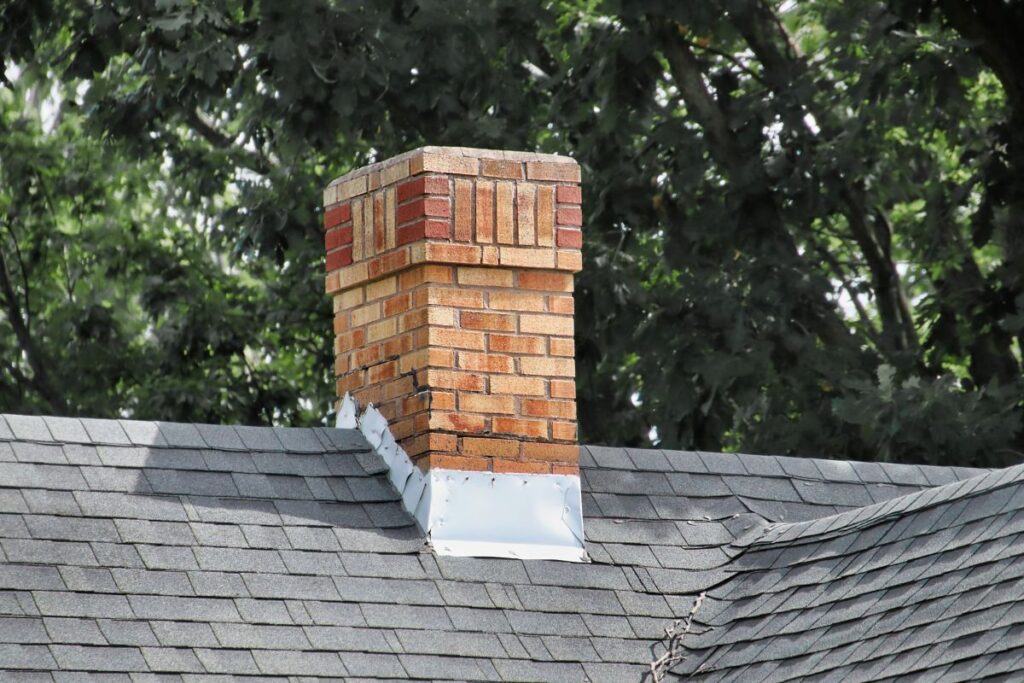
Chimney flashing is a layered system installed where the chimney meets the roofline. It typically includes step flashing along the sides, base flashing at the front, and counter flashing embedded into the chimney masonry. These components work together to direct water away from the joint between the chimney and roofing surface and seal each edge where materials meet.
Because this area experiences heavy runoff during storms, damaged chimney flashing is one of the most common causes of roof leaks around fireplaces. If flashing is not properly sealed or becomes loose along the edge, water can travel beneath shingles and affect decking, framing, and insulation inside the attic space.
4 Common Causes Of Chimney Flashing Problems
Understanding the root causes of chimney flashing problems allows homeowners to address issues before more serious roof flashing damage develops.
1. Deteriorated Sealant
Over time, the sealant securing flashing edges can crack or separate from the chimney surface. Temperature changes and seasonal weather cycles accelerate this breakdown.
- Sealant cracking: Gaps forming along masonry joints
- Edge separation: Flashing pulling away from brick
- Moisture entry: Water penetrating small openings
2. Improper Installation
Chimney flashing must be layered correctly with surrounding shingles to divert water properly. Incorrect overlap or exposed fasteners can compromise the system and lead to water intrusion.
- Incorrect layering: Step flashing not integrated correctly
- Exposed fasteners: Nails placed through visible flashing
- Surface caulking: Sealant used instead of proper layered protection
A qualified roofing contractor can determine whether installation errors are contributing to ongoing issues and whether it is necessary to replace flashing entirely.
3. Masonry Deterioration
Chimney bricks and mortar joints can crack over time, especially in climates with seasonal moisture changes. Counter flashing embedded into deteriorating mortar may loosen and allow water to enter behind the chimney structure.
- Cracked mortar joints: Gaps forming around flashing
- Brick shifting: Movement affecting flashing alignment
- Water penetration: Moisture forming behind masonry
Chimney width can also influence how much runoff collects along each edge of the structure during heavy rainfall.
4. Aging Or Corroded Flashing Material
Flashing material exposed to years of rain and humidity can weaken and thin. Once compromised, it can no longer provide effective protection around the chimney base.
- Surface wear: Visible deterioration along lower sections
- Material thinning: Areas losing structural strength
- Recurring moisture: Ongoing issues after storms
When chimney flashing damage becomes widespread, simple resealing may no longer resolve the issue properly.
Chimney Flashing Repair Cost Breakdown
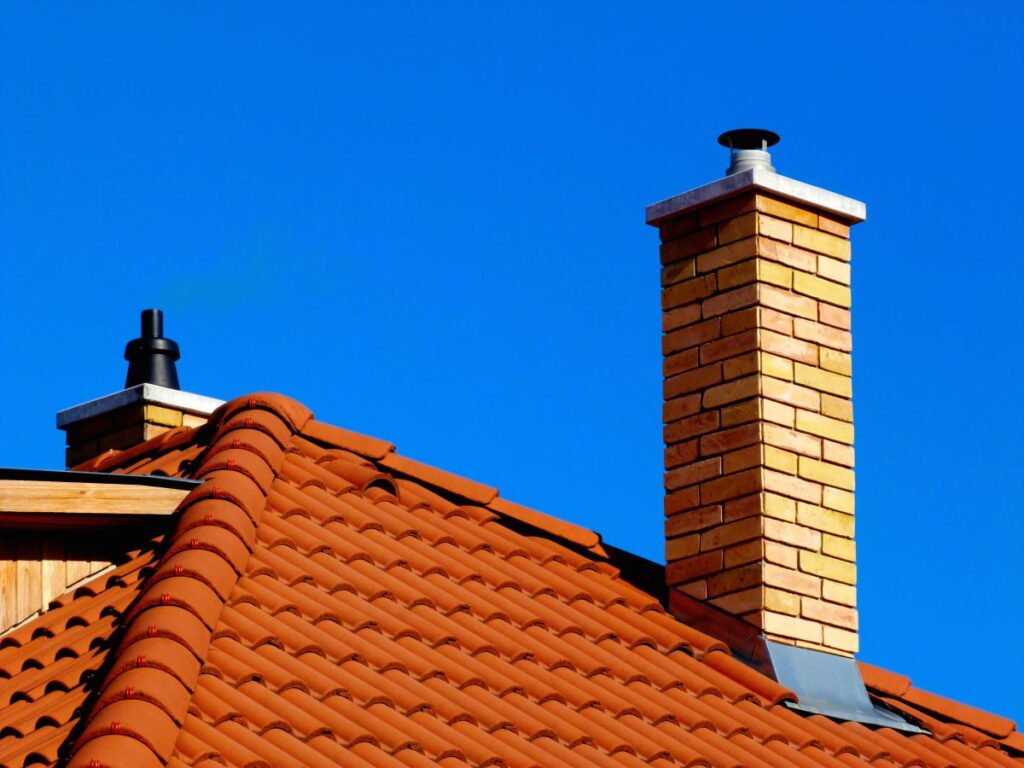
Chimney flashing repair costs vary depending on accessibility, extent of damage, roof pitches, and surrounding roof conditions. Addressing issues early helps prevent more expensive structural repairs.
| Repair Type | Typical Cost Range | Scope Of Work |
| Minor resealing | $250 to $600 | Sealant repair and small gap corrections |
| Step flashing repair | $500 to $1,200 | Side flashing adjustments or replacements |
| Counter flashing replacement | $800 to $1,800 | Masonry cut-in and new flashing install |
| Full chimney flashing replacement | $1,500 to $3,000 | Complete system removal and reinstall |
The regular price for repairs may increase if shingles must be removed or if surrounding areas are flat and require additional waterproofing layers. Larger chimney width and steeper roof pitches can also raise labor requirements.
Chimney Flashing Repair Solutions
The correct repair approach depends on the extent of damage and whether surrounding roofing materials remain intact.
Resealing And Minor Repairs
Small separation gaps or limited deterioration can often be corrected without removing large sections of shingles. A roofing contractor may reseal joints, secure loose sections, and ensure base flashing is properly aligned to restore performance.
- Joint resealing: Restoring watertight edges
- Fastener correction: Securing loose sections
- Targeted repairs: Addressing isolated problem areas
Partial Or Full Flashing Replacement
If flashing is improperly installed, severely deteriorated, or repeatedly allowing moisture entry, replacement is often the more reliable long term solution. This process may involve lifting shingles, removing old base flashing, and installing new components designed to integrate correctly with the roof system and seal each edge securely.
- Step flashing replacement: Reinstalling side protection layers
- Base flashing replacement: Installing new lower flashing section
- System integration: Ensuring components are properly sealed
A professional roofing contractor can determine whether it is better to replace flashing entirely or complete targeted repairs based on the condition of the existing materials.
Common FAQs About Chimney Flashing
Homeowners often want to understand how flashing works to keep water from seeping into vulnerable areas where the roof meets walls, chimneys, or vents. They also commonly ask how to spot early warning signs of flashing failure and whether minor issues can be repaired or if full replacement is necessary during roofing work.
How long does chimney flashing last?
Properly installed chimney flashing can last 20 years or more depending on weather exposure, roof pitches, and material quality. Regular inspections help extend its lifespan and reduce the risk of moisture issues.
Does chimney width affect flashing performance?
Yes, wider chimneys collect more runoff, which can increase stress along each edge and raise the potential for water intrusion if flashing is not sealed correctly.
Can flat roofs use chimney flashing?
Yes, but flashing systems on flat surfaces require specialized waterproofing methods to ensure water does not pool around the chimney base.
When should I replace flashing instead of repairing it?
If flashing is repeatedly failing, improperly layered, or extensively deteriorated, it is often more cost effective to replace flashing rather than continue temporary repairs.
How To Choose The Right Roofing Contractor For Chimney Flashing Repair
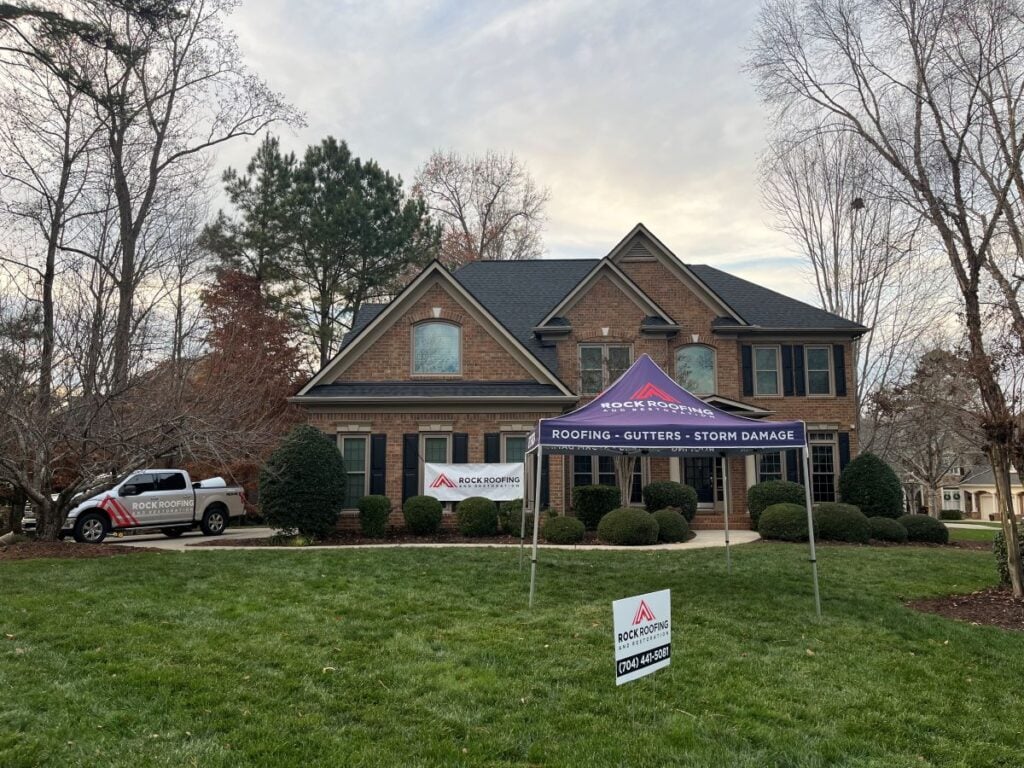
Choosing the right contractor is just as important as selecting the proper repair method. Because chimney flashing requires precise integration with shingles and masonry, experience matters.
Look for the following:
- Local experience: Familiarity with Charlotte weather patterns
- Proper licensing and insurance: Protection for your home
- Clear repair scope: Detailed explanation of work being performed
- Flashing expertise: Experience installing and repairing base flashing systems
- Warranty coverage: Protection for both labor and materials
Working with a reputable local roofing company helps ensure chimney flashing repairs are completed correctly the first time and reduces the risk of future leaks.
Protect Your Home With Expert Chimney Flashing Repair
Chimney flashing problems rarely resolve on their own and often worsen over time. At Rock Roofing, we help Charlotte homeowners diagnose chimney flashing damage and determine whether repair or replacement is the most effective solution. Our team uses proven repair techniques and quality materials to restore proper water diversion and protect your home from ongoing moisture concerns.
We are proud to serve homeowners throughout Charlotte, NC, and surrounding communities with roof repair services designed to prevent recurring leaks. If you suspect chimney flashing damage or have noticed moisture near your fireplace or in the attic, contact Rock Roofing today to schedule an inspection and address the issue before it becomes a larger structural concern.