Insurance
What To Do If Insurance Denied Roof Claim (5 Next Steps)
Getting a roof damage claim denied is frustrating, especially when you know the damage is real. If you’ve recently gotten a denial letter from your insurance company, you are not out of options. Knowing what to do if insurance denied roof claim is the difference between paying entirely out of pocket and getting the coverage you’ve earned. Whether storm damage is your concern or you just need someone to assess the full extent of a problem, understanding your repair options can help you move forward with confidence in Matthews, NC and surrounding areas.
Here is what you will learn in this guide:
- Why insurance companies deny roof claims and what those reasons actually mean
- The step-by-step process for responding to a denial
- How a roofing contractor can support your appeal
- What documentation you need to build a strong case
- When it makes sense to escalate and how to do it
Why a Denied Roof Claim Is Not the Final Word
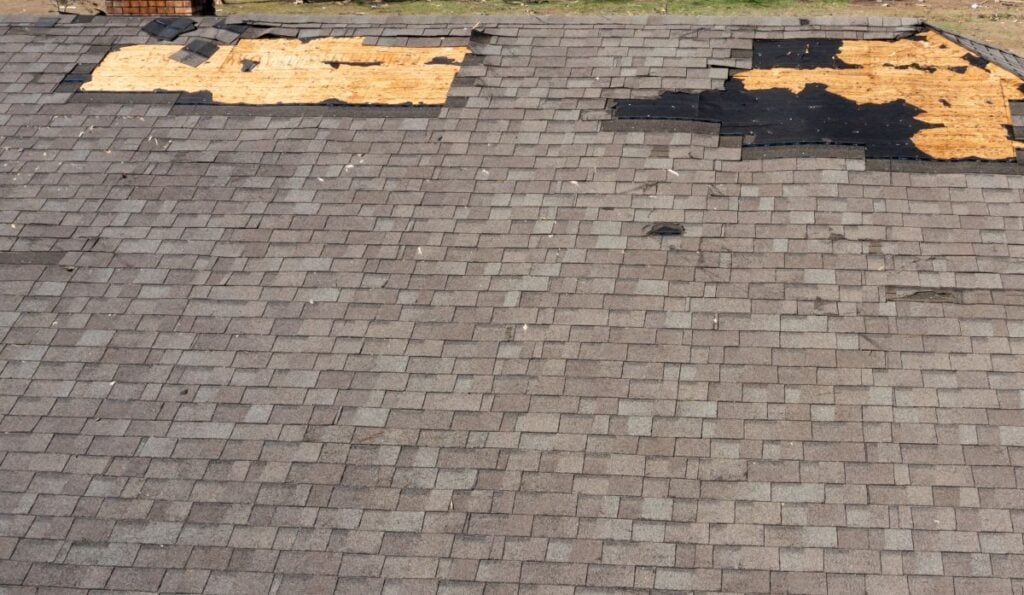
Insurance companies are businesses, and like any business, they have a financial incentive to minimize payouts. A denial letter can feel like the end of the road, but in most cases it is simply the beginning of a negotiation. Homeowners who know how to respond often end up with approvals on their second attempt or through a formal appeals process.
Understanding why claims get denied helps you build a better response from the start. Here are the most common reasons insurers push back:
- Lack of documented evidence: Insurance adjusters rely on documentation. If your initial claim did not include detailed photos, inspection reports, or contractor estimates, the denial may be based on incomplete information rather than a genuine assessment of damage.
- Maintenance exclusions: Many policies exclude damage that insurers classify as wear and tear or deferred maintenance. Proving that storm or sudden-event damage caused the problem is key to overcoming this objection.
- Policy coverage gaps: Not all policies cover the same perils. Wind damage, hail, and water intrusion may be treated differently depending on your specific plan. Reading the fine print matters.
- Adjuster error or underestimation: Insurance adjusters are not roofing experts. It is entirely possible for an adjuster to miss damage that a qualified roofing contractor would catch during a thorough inspection.
- Late filing: Most policies require claims to be filed within a certain timeframe after damage occurs. A missed deadline can be grounds for denial even if the damage is legitimate.
Knowing which of these applies to your situation shapes every step you take next.
5 Next Steps After Your Roof Claim Gets Denied
You have a denial letter in hand. Here is how to move forward strategically, one step at a time. Homeowners across Waxhaw, NC and surrounding areas have successfully reversed denials by following a process like this.
1. Read the Denial Letter Carefully
Before you do anything else, read the letter line by line. Insurance companies are required to give you a reason for the denial, and that reason tells you exactly what you are dealing with.
Look for:
- The specific policy language they cited
- Whether they mention a coverage exclusion or a lack of documentation
- Any deadlines for filing an appeal or requesting a re-inspection
Do not discard the letter. It is a legal document that you will reference throughout the process.
2. Get an Independent Roof Inspection
This is one of the most important steps you can take. An insurance adjuster works for the insurance company. A qualified, independent roofing contractor works for you and will assess your roof without a financial interest in minimizing what they find.
A thorough independent inspection should include:
- A full photo and video documentation of all visible damage
- A written report identifying the cause of damage (storm, impact, wear, etc.)
- An itemized repair or replacement estimate
- Documentation of any safety concerns or secondary damage
That written report becomes the foundation of your appeal. Make sure you are working with a licensed, experienced roofing contractor who understands how to document damage in a way that is useful for insurance purposes.
3. Review Your Policy in Detail

Pull out your homeowner’s insurance policy and read through the sections on roof coverage, exclusions, and the claims process. This is tedious, but it is necessary. You are looking for:
- What perils are covered (wind, hail, fire, falling objects, etc.)
- How the insurer defines “maintenance” versus “sudden damage”
- Whether you have actual cash value (ACV) or replacement cost value (RCV) coverage
- The appeals or dispute resolution process outlined in your policy
If the policy language is confusing, which it often is, consider consulting a public adjuster or an insurance attorney. Both can help you interpret the language and identify whether the denial was warranted.
4. File a Formal Appeal
Once you have your independent inspection report and a clear understanding of your policy, you are ready to appeal. A formal appeal is a written request for the insurance company to reconsider the denial based on new evidence or a challenge to their reasoning.
Your appeal package should include:
- A formal written letter clearly stating you are appealing the denial
- The independent contractor’s inspection report and photos
- Any weather data or storm reports that correspond to when the damage occurred
- A written statement explaining why you believe the denial was incorrect
- Copies of any prior correspondence with the insurance company
Send everything via certified mail so you have a documented record of when it was received. Keep copies of everything you send.
5. Escalate If Necessary
If your appeal is denied a second time, you still have options. Escalation can take a few different forms:
- Request an appraisal: Many homeowner’s policies include an appraisal clause that allows both you and the insurer to hire independent appraisers who then agree on a neutral umpire to settle the dispute. This process bypasses the internal appeals process entirely.
- File a complaint with your state’s Department of Insurance: If you believe the denial was handled improperly or in bad faith, you can file a complaint. Insurers take these seriously because regulators can impose fines and penalties.
- Hire a public adjuster: A licensed public adjuster works on your behalf, handles all communications with the insurer, and typically works on a contingency fee, meaning they only get paid if you do.
- Consult an insurance attorney: In cases involving significant damage or clear bad faith on the part of the insurer, a legal professional may be your most effective option.
Not every denial requires escalation to this level, but it is good to know these tools exist.
How a Roofing Contractor Supports Your Claim Appeal
A qualified roofing contractor does more than fix shingles. When you are fighting a denied insurance claim, the right contractor becomes a critical part of your documentation and appeals process. In Monroe, NC and surrounding areas, homeowners who bring in an experienced roofing professional early in the process tend to have much stronger appeals.
What a Contractor Brings to the Table
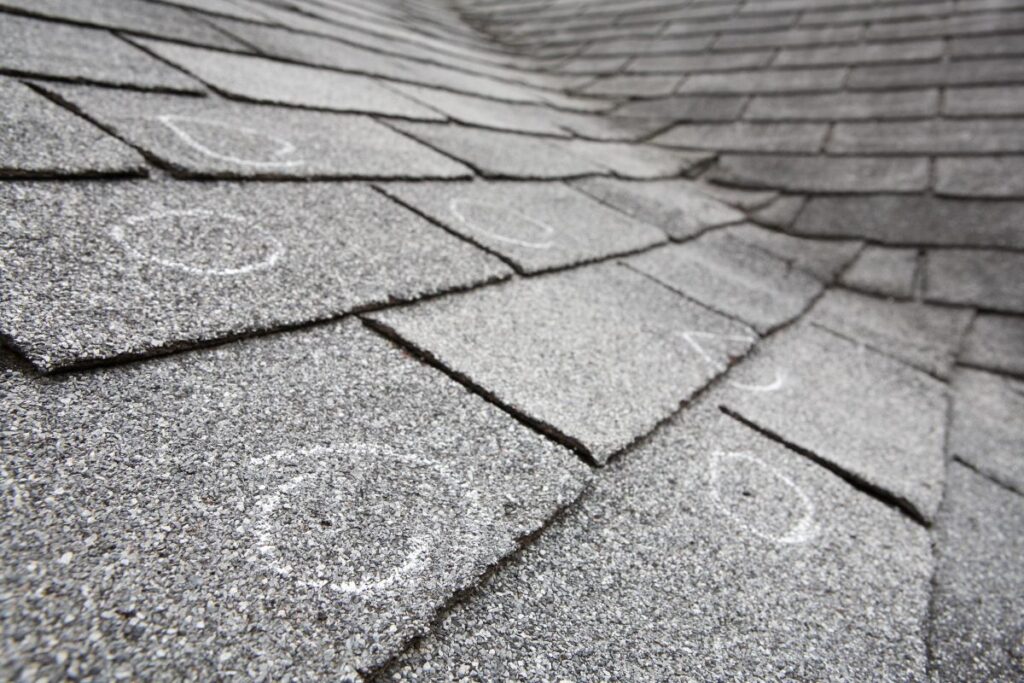
Detailed damage documentation: Contractors are trained to identify and document every type of damage, including granule loss, lifted flashing, cracked decking, and water intrusion points that an insurance adjuster might overlook.
Cause-of-damage expertise: Roofing contractors can distinguish between storm damage and normal wear in a way that holds up to scrutiny. That distinction is often the deciding factor in an appeal.
Itemized estimates: A professional written estimate that breaks down the cost of every repair or replacement component gives the insurer something concrete to evaluate. Vague assessments rarely move the needle.
Credibility: A licensed contractor’s signed inspection report carries more weight than a homeowner’s account of the damage. Adjusters and appeals reviewers expect to see professional documentation.
What to Look for in a Contractor for This Process
Not every roofing contractor has experience working alongside homeowners through the insurance process. When selecting someone to support your appeal, look for:
- Licensing and insurance in your state
- Experience with storm damage claims specifically
- A willingness to provide a written report, not just a verbal assessment
- Clear communication throughout the process
- No pressure to pursue replacement when repair is the appropriate solution
A contractor who understands your situation and your goals is worth more than one who simply shows up with a price quote.
What to Do if You Suspect Bad Faith
Most denied claims are the result of paperwork issues, incomplete documentation, or genuine coverage disagreements. But occasionally, insurers act in bad faith, which means they deny a valid claim without a reasonable basis or delay the process unreasonably.
Signs of potential bad faith include:
- Repeated delays without explanation
- Denials that contradict the plain language of your policy
- An adjuster who refuses to explain the reasoning behind the denial
- Lowball settlement offers that do not reflect actual repair costs
- Pressure to accept a settlement quickly without time to review
If any of these apply to your situation, consulting an insurance attorney is a reasonable next step. Most offer free initial consultations, and some work on contingency for bad faith cases.
It is worth noting that filing a bad faith complaint or lawsuit is not something to pursue lightly. But when the denial is clearly unjustified and the insurer is not negotiating in good faith, legal options exist to protect homeowners.
Frequently Asked Questions
How long do I have to appeal a denied roof claim? The deadline varies by insurer and state, but most policies allow 60 to 180 days from the date of denial to file a formal appeal. Check your policy and your denial letter for the specific timeframe that applies to you.
Can I get a second insurance adjuster sent out? Yes. You can request a re-inspection with a different adjuster, especially if you have new documentation or believe the first inspection was incomplete. An independent roofing contractor’s report is often what prompts insurers to agree to a second look.
Does hiring a public adjuster really help? In many cases, yes. Public adjusters understand policy language, know how to document claims effectively, and often negotiate settlements significantly higher than what homeowners receive on their own. They charge a percentage of the settlement, typically between 10 and 15 percent, so the math needs to make sense for your specific situation.
What if my roof damage is partially covered? A partial approval is worth reviewing carefully. If the insurer is only covering a portion of the damage, you can appeal the denied portion separately while accepting the approved coverage. You do not have to accept or reject the entire claim as a package.
Get Help Navigating a Denied Roof Claim
A denied roof claim does not have to be the end of the story. Homeowners in Weddington, NC and surrounding areas, as well as throughout Indian Trail, NC and surrounding areas, have been in the same position and successfully reversed denials by taking the right steps and working with the right people. The process takes some patience and documentation, but it is absolutely worth pursuing when the damage is real and coverage is owed.
Rock Roofing is here to help. We provide thorough roof inspections, detailed written reports, and honest guidance throughout the process, without pressure, without unnecessary upsells, and without confusion. If your claim was denied and you need a professional assessment to support your appeal, contact us today to schedule your inspection and take the first step toward getting the outcome your home deserves.