Insurance
Storm Damage Roof Insurance (7 Tips & What To Expect)
A major storm can leave your roof in rough shape overnight, and figuring out what happens next is not always straightforward. Understanding storm damage roof insurance before you need it, or right after a storm hits, gives you a real advantage when dealing with your insurer and protecting your home. If you already have damage and want to know what your repair options look like before the adjuster arrives, getting informed early is always the right call. Homeowners in Weddington, NC and surrounding areas deal with serious storm seasons every year, and preparation makes all the difference.
Here is what you will learn in this guide:
- What storm damage roof insurance typically covers and what it does not
- The step-by-step process for filing a storm damage claim
- Tips that improve your chances of a smooth, successful claim
- Common mistakes homeowners make that hurt their claims
- How to work with a roofing contractor throughout the insurance process
What Storm Damage Roof Insurance Actually Covers
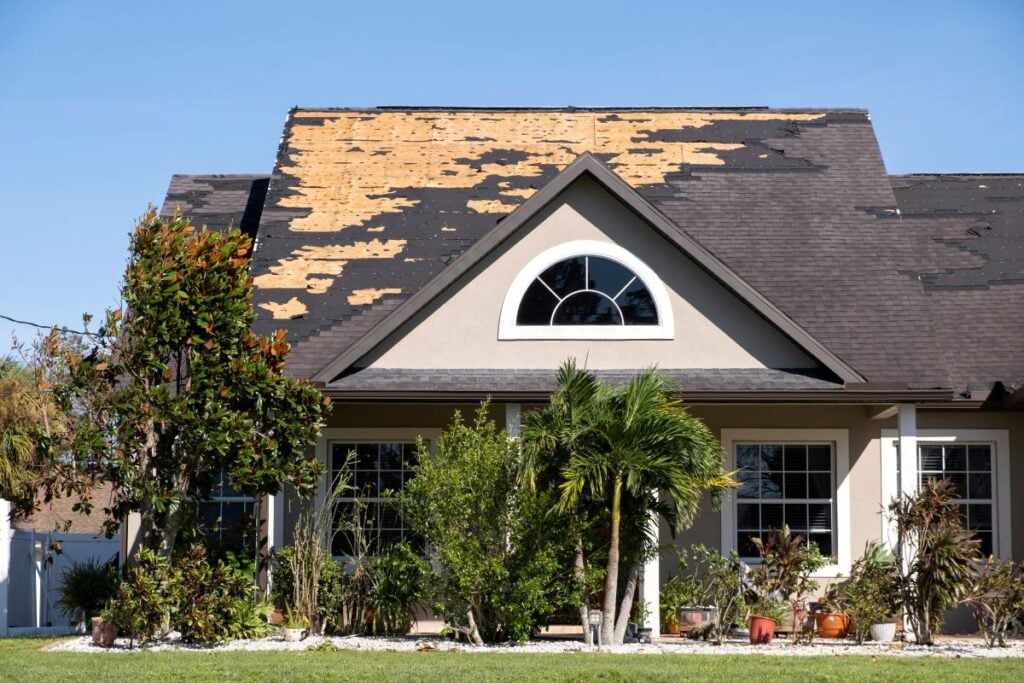
Not all roof damage is treated equally by insurance companies, and the specifics of your coverage depend on your policy type, your provider, and the cause of the damage. Most standard homeowner’s insurance policies do cover sudden, storm-related roof damage, but the details matter more than most homeowners realize until they are in the middle of a claim.
Here is what coverage typically looks like and why understanding it upfront protects you:
- Wind and hail damage: These are the most common storm-related claims and are covered under most standard policies. However, some insurers in high-risk areas add separate wind or hail deductibles that can be significantly higher than your standard deductible.
- Falling objects: Damage caused by falling trees, branches, or debris during a storm is generally covered. The coverage applies to the structure itself, not the object that caused the damage.
- Water intrusion from storm damage: If a storm creates an opening in your roof that allows water inside, the resulting damage is usually covered. However, water damage from long-term leaks or deferred maintenance is typically excluded.
- Age and condition considerations: Many insurers factor in the age and condition of your roof when determining your payout. Older roofs may be settled on an actual cash value basis rather than replacement cost value, which means depreciation is applied and your payout may be lower than the actual repair cost.
- Exclusions to watch for: Damage classified as wear and tear, improper installation, or lack of maintenance is almost universally excluded. Understanding what your policy does not cover is just as important as knowing what it does.
Reading your policy before storm season, rather than after a storm hits, gives you time to ask questions, adjust coverage if needed, and go into the claims process with accurate expectations.
7 Tips for Filing a Storm Damage Roof Insurance Claim
Filing a storm damage claim successfully is part timing, part documentation, and part knowing how to communicate with your insurer. Homeowners in Weddington, NC and surrounding areas who approach the process strategically tend to see better outcomes than those who leave it entirely in the insurer’s hands.
1. Act Quickly After the Storm
Most insurance policies require you to report damage promptly after it occurs. Waiting days or weeks can give the insurer grounds to question whether the damage is storm-related or pre-existing. As soon as it is safe to do so after a storm, do a visual assessment of your property and report anything that looks like damage.
You do not need to have a full estimate before you call. Filing the initial claim starts the clock on the investigation timeline and protects your right to coverage.
2. Document the Damage Thoroughly Before Anything Is Touched
Before any cleanup or repairs begin, document everything. Use your phone to photograph and video every area of visible damage, including:
- Missing, cracked, or lifted shingles
- Damage to gutters, flashing, or skylights
- Fallen debris on or near the roof
- Any interior damage such as water stains or wet insulation that may have resulted from the storm
Date-stamp everything and store it somewhere you can access easily throughout the claims process.
3. Make Only Temporary Repairs
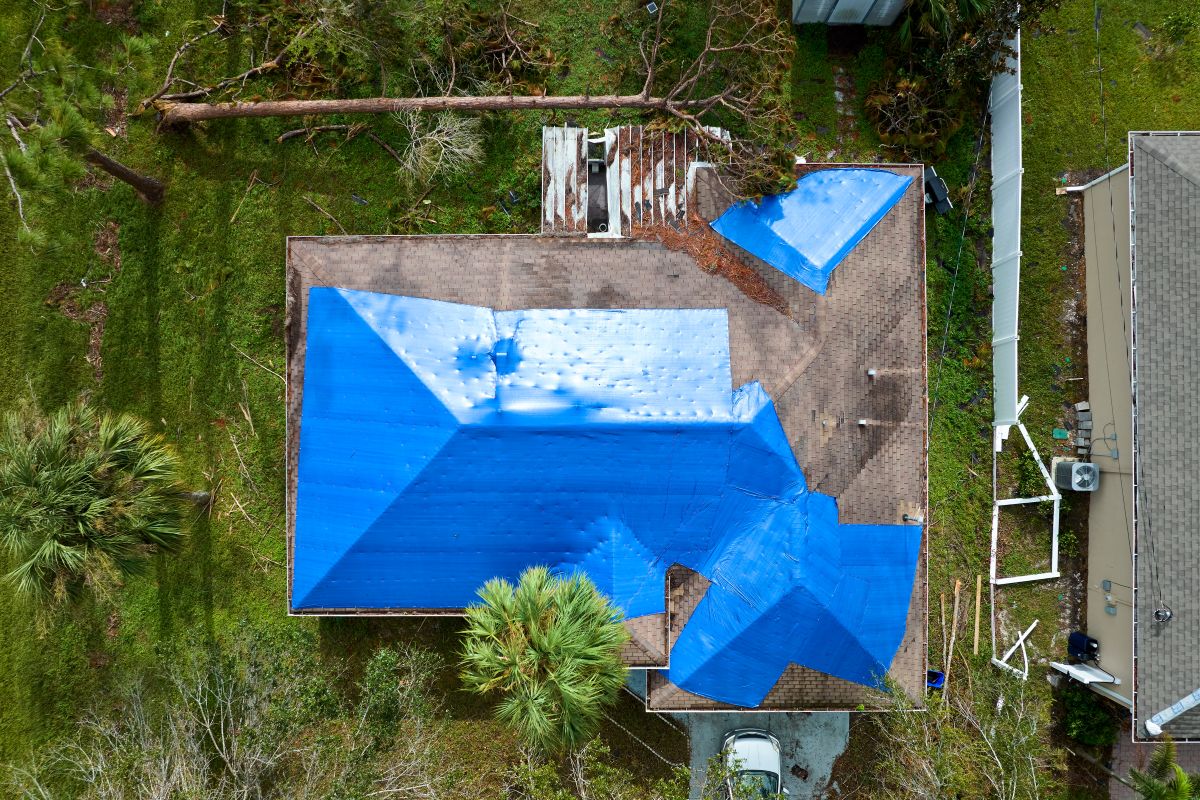
If your roof has an opening that is letting in water, covering it temporarily with a tarp is appropriate and usually reimbursable. What you want to avoid is making permanent repairs before the insurance adjuster has completed their inspection. Permanent repairs made before the investigation can give the insurer grounds to argue that the original damage cannot be accurately assessed.
Keep all receipts for any materials you purchase for temporary repairs and document what was done and why.
4. Get an Independent Roofing Inspection

One of the smartest steps you can take before or shortly after the adjuster’s visit is scheduling an independent inspection with a qualified roofing contractor. An adjuster works for the insurance company, while an independent contractor works for you.
A thorough contractor inspection should provide:
- A written report identifying all damage and its likely cause
- Date-stamped photographs documenting every affected area
- An itemized estimate for repair or replacement
- A professional assessment of whether the damage is storm-related or pre-existing
This documentation becomes a critical tool if you need to dispute the adjuster’s findings or support a formal appeal.
5. Review Your Policy Before the Adjuster Arrives
Pull out your policy and review the sections covering roof damage, storm perils, exclusions, and the claims process before your adjuster visits. Knowing your coverage limits, deductibles, and what your policy defines as a covered peril helps you participate in the inspection as an informed homeowner rather than a passive bystander.
Pay particular attention to:
- Whether you have replacement cost value or actual cash value coverage
- The specific perils listed under your dwelling coverage
- Any wind or hail deductibles that apply separately from your standard deductible
6. Be Present During the Adjuster’s Inspection
Whenever possible, be at your home when the insurance adjuster conducts their inspection. Walk with them, point out every area of damage you documented, and ask questions if anything is unclear. You are not required to simply accept whatever the adjuster finds.
If you have already had an independent contractor inspect the roof, share their report with the adjuster during the visit. Having professional documentation in hand during the inspection keeps the conversation grounded in specifics rather than general impressions.
7. Keep Records of Every Interaction
From the moment you file your claim to the day payment is issued, document every conversation. Follow up phone calls with a written email summary. Send all documents via certified mail or email with read receipts. This paper trail becomes essential if you need to escalate your claim, file an appeal, or dispute a denial.
Common Mistakes That Can Hurt Your Storm Damage Claims Process
Even homeowners who act in good faith sometimes make mistakes that complicate their claims or reduce their payout. Being aware of these pitfalls helps you avoid them from the start.
- Waiting too long to file: Delaying your claim, even by a week or two, gives the insurer room to argue that the damage was not caused by the storm in question. File as soon as possible after damage occurs, even if you are still gathering documentation.
- Accepting the first settlement offer without review: Insurance companies sometimes issue an initial settlement that does not reflect the true cost of repairs. Before accepting any offer, compare it to the independent contractor’s estimate. If there is a significant gap, you have the right to negotiate or appeal.
- Making permanent repairs too quickly: Completing permanent repairs before the adjuster inspects the damage is one of the most common ways homeowners inadvertently weaken their own claims. Temporary fixes are fine. Permanent repairs should wait until after the adjuster has completed their assessment and ideally until after you have received a coverage decision.
- Not reading the denial letter carefully: If your claim is denied, the denial letter contains the specific reason and the policy language the insurer cited. Many homeowners do not read these letters closely and miss opportunities to correct the record or file an effective appeal. The denial letter is the starting point for any next step you take.
- Working with a contractor who does not understand the insurance process: Not every roofing contractor has experience supporting homeowners through an insurance claim. Working with one who does makes a meaningful difference. A contractor familiar with the process will know how to document damage in a way that is useful for your claim and can communicate professionally with adjusters when needed.
What To Expect at Each Stage of the Process
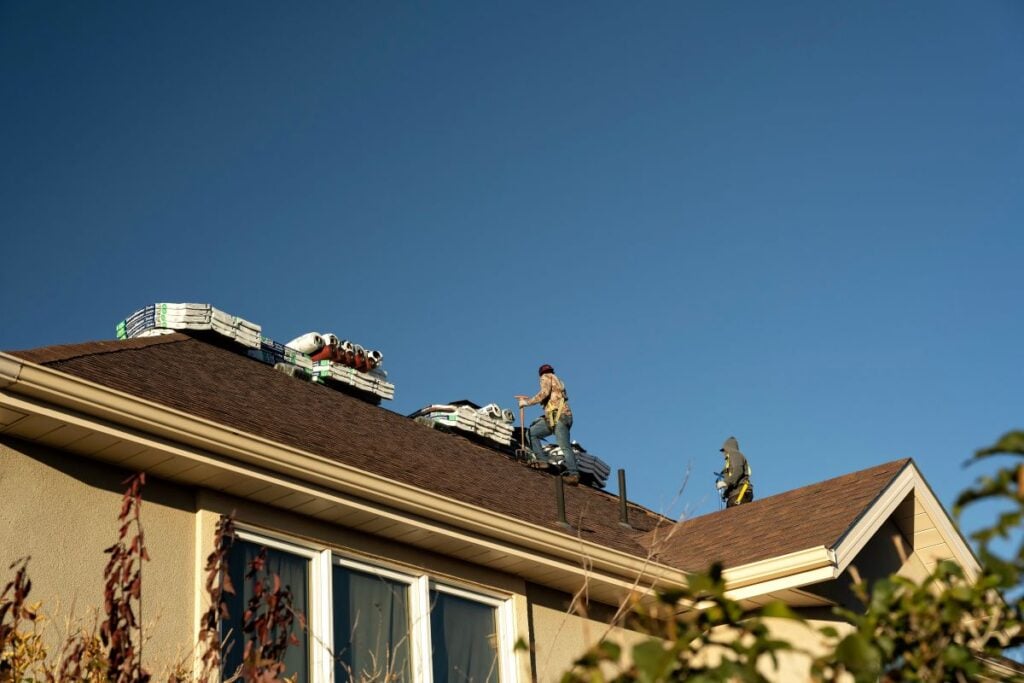
Understanding the general arc of a storm damage claim helps you stay calm and focused even when the process takes longer than expected. Here is a straightforward look at what most homeowners experience from start to finish.
Immediately After the Storm
Assess visible damage from the ground if it is safe to do so. Make temporary repairs to prevent further damage. Document everything before touching anything.
Within the First Week
File your claim with your insurer. Schedule an independent roofing inspection. Gather any storm-related documentation such as local weather reports or radar data from the date of the event. Local weather data is especially useful in Weddington, NC and surrounding areas, where storm cells can be highly localized and adjusters may not be familiar with the specific conditions that hit your neighborhood.
During the Investigation
Expect the insurer to acknowledge your claim within 10 to 15 days. An adjuster will be assigned and will contact you to schedule an on-site inspection. Be present for that inspection and bring your contractor’s written report if you have one.
After the Investigation
The insurer will issue a coverage decision, typically within 30 to 45 days of your claim being filed. If approved, you will receive a payment summary outlining what is covered and what your deductible obligation is. If denied, you will receive a written explanation that forms the basis of any appeal.
If You Need to Appeal
A denial is not the end of the road. With the right documentation, many homeowners successfully reverse denials on appeal. Working with a roofing contractor who can provide additional written support and, if needed, a public adjuster or insurance attorney, gives you the strongest possible foundation for that process.
Get the Coverage Your Roof Deserves
Storm damage is stressful enough without having to navigate a confusing claims process on your own. The homeowners who come out on the other side with fair coverage and repaired roofs are almost always the ones who stayed organized, acted quickly, and brought in professional support early. Whether you are preparing for storm season or already dealing with damage, understanding the process is the first step.
Rock Roofing works with homeowners in Weddington, NC and surrounding areas to provide thorough inspections, honest assessments, and the documentation that supports a strong claim. We do not push unnecessary replacements or pressure you toward decisions that do not fit your situation. We give you the information you need to move forward with confidence.
If your roof has taken storm damage or you want a professional inspection before filing a claim, contact us today and let Rock Roofing help you take the right next step.