Roofing
Signs Of Roof Leak In Attic (9 Red Flags To Check)
Signs Of Roof Leak In Attic (9 Red Flags To Check)
Most roof leaks do not announce themselves through the ceiling right away. By the time you notice a water stain in your living room, the damage has usually been building in your attic for weeks or months. Knowing the signs of roof leak in attic spaces lets you catch the problem before it spreads to insulation, framing, and the rooms below. If what you find points toward more than a minor repair, understanding what a full roof overhaul entails helps you make that call with confidence. Homeowners in Monroe, NC and surrounding areas face this more often than they expect.
Here is what you will learn in this guide:
- Why attic leaks are often discovered late and what that delay costs
- The nine most telling signs of a roof leak hiding in your attic
- What conditions make attic leaks worse and harder to trace
- How to inspect your attic safely and what to bring
- When the signs you find warrant a professional assessment
Why Attic Leaks Are More Dangerous Than They Look
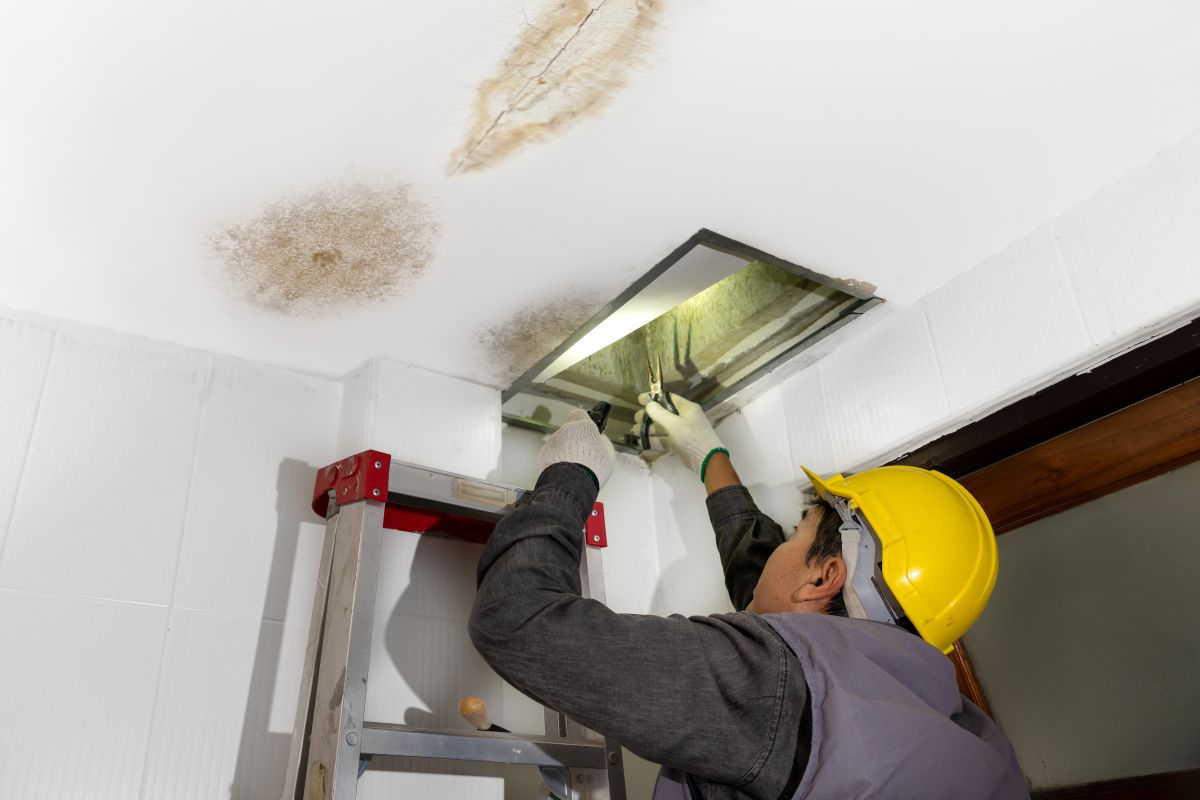
A roof leak that reaches the attic first is operating in a space most homeowners visit rarely, if ever. That invisibility is exactly what makes it so damaging. Water working through insulation, along rafters, and into sheathing does not pause between rainstorms. It continues to degrade materials, promote mold growth, and weaken structural components with every wet cycle, whether or not anyone is looking.
Here is why catching these signs early changes the outcome significantly:
- Structural damage compounds quietly: Wood rot in rafters and sheathing does not stop once it starts. Every wet-dry cycle expands the affected area. What starts as a small soft spot can become a structural failure that affects the integrity of the entire roof system.
- Mold spreads faster than most homeowners realize: Attic mold thrives in the dark, poorly ventilated conditions that a slow leak creates. Once mold is established in insulation or on sheathing, remediation becomes a significant and expensive process separate from the roofing repair itself.
- Insulation loses its effectiveness when wet: Saturated insulation does not dry out and return to normal. Wet insulation compresses, loses its R-value, and eventually needs to be removed and replaced, adding to the total cost of a repair that started as a minor roof issue.
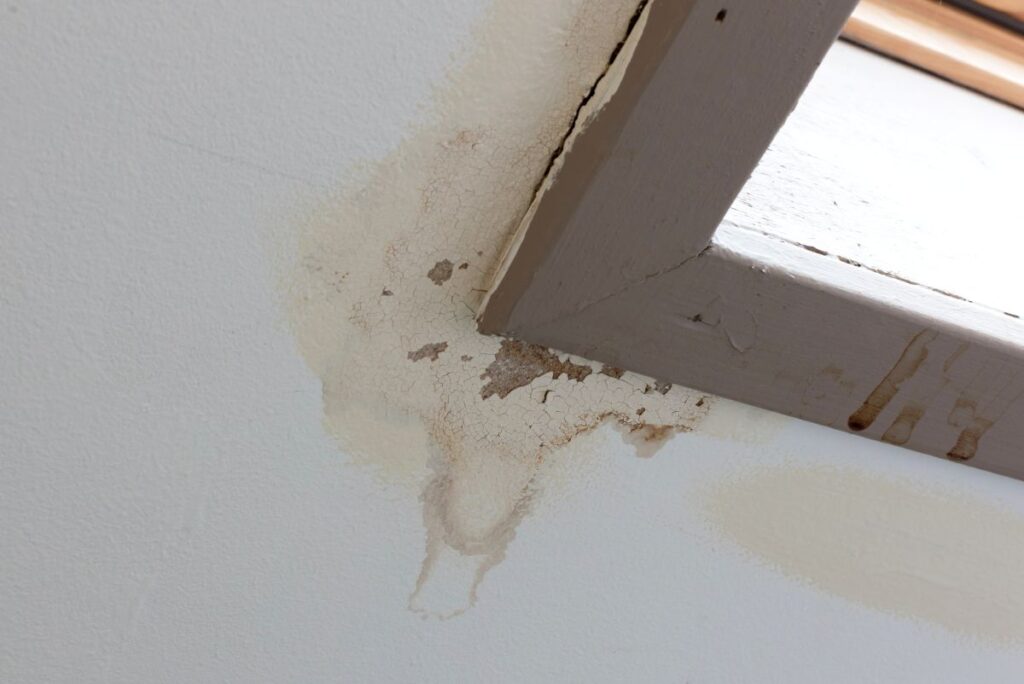
- Interior damage escalates from there: Once water saturates the attic floor, it begins working into ceiling joists and eventually into the living spaces below. By the time a ceiling stain appears, significant secondary damage has usually already occurred above it.
- Early detection keeps costs manageable: A roof leak found at the attic stage, before it reaches insulation and framing in a significant way, is almost always a less expensive repair than one discovered after months of undetected water intrusion.
Getting into the attic regularly and knowing what to look for is one of the most cost-effective forms of home maintenance available.
9 Red Flags To Check for Signs of Roof Leak in Attic
These are the specific indicators that tell you water has entered or is entering your attic space. Homeowners in Monroe, NC and surrounding areas who make attic checks a seasonal habit catch these signs early, when the damage is still contained and the repair is still straightforward.
1. Water Stains on Rafters or Sheathing
Dark, discolored streaks running along rafters or staining the underside of the roof deck are the most direct sign of active or past water intrusion. The staining typically follows the path water traveled, which may not lead directly to the source since water often runs along a rafter before dripping to a lower point.
What to look for:
- Brownish or gray streaks along the length of rafters
- Circular staining patterns on the sheathing where water pooled before dripping
- Any area where the wood appears darker than the surrounding material
2. Soft or Spongy Wood
Press gently on any area of sheathing or rafter that looks stained or discolored. Wood that has been repeatedly wet and dried will feel softer than surrounding material, and in advanced cases it will compress or crumble slightly under pressure. Soft wood indicates moisture exposure significant enough to begin breaking down the material.
This finding almost always means the leak has been present for more than one or two rain events and that the affected wood may need to be replaced rather than simply dried out.
3. Active Dripping or Wet Spots During or After Rain
If you can access your attic during or shortly after a rain event, active dripping or visibly wet spots are unambiguous confirmation of a leak. Note exactly where the water is appearing and photograph the location immediately, since active leaks are the clearest evidence you can provide to a roofing contractor or insurance adjuster.
4. Mold or Mildew Growth
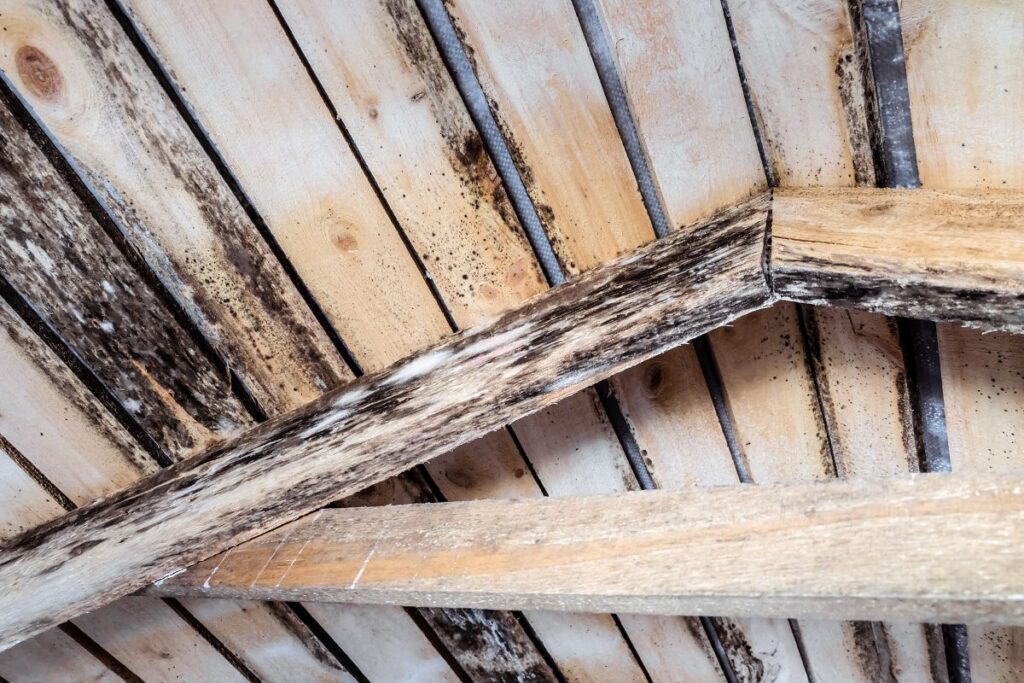
Black, green, or white fuzzy growth on rafters, sheathing, insulation, or the attic floor is a sign that moisture has been present consistently enough to support biological growth. Mold in an attic almost always has a moisture source, and a roof leak is one of the most common causes.
What mold in the attic tells you:
- The moisture problem has likely been present for weeks or months, not days
- The affected insulation may need full replacement
- Remediation may be required before or alongside the roofing repair
- Ventilation issues may be contributing to the problem alongside the leak
5. Daylight Visible Through the Roof Deck
On a clear day, turn off your attic light and allow your eyes to adjust for a minute. Any pinpoints or streaks of daylight visible through the roof deck indicate gaps, cracks, or missing material in the roofing system above. If light is getting through, water is too whenever it rains.
This is a particularly useful check because it reveals vulnerabilities that have not yet caused visible staining but will during the next significant rain.
6. Rust on Metal Components
Metal components in the attic, including joist hangers, nail heads, hurricane straps, and any metal flashing that is visible from below, rust when exposed to consistent moisture. Rust on these components is a secondary indicator that the humidity in the attic has been elevated, either from a leak, from inadequate ventilation, or both.
While rust alone does not confirm an active roof leak, it signals a moisture problem that warrants closer investigation.
7. Deteriorating or Compressed Insulation
Healthy attic insulation is fluffy and uniform. Insulation that has been wet looks compressed, darker than surrounding areas, and may have a musty odor. In blown-in insulation, wet areas will appear matted down and may show discoloration from whatever was dissolved in the water that saturated it.
Compressed or deteriorated insulation patches almost always correspond to a moisture source directly above them. Tracing upward from a deteriorated insulation patch is a reliable way to find the entry point of a leak.
8. A Persistent Musty Smell
A musty or earthy odor in the attic that does not clear after ventilation is a reliable indicator of mold or mildew growth, which in turn indicates a sustained moisture problem. Homeowners often notice this smell first when the attic access hatch is opened, particularly after a stretch of rain.
This sign is easy to dismiss as “just how attics smell,” but a healthy, dry attic should not have a strong musty odor. If it does, investigation is warranted.
9. Ice Dams at the Eaves in Winter
In colder months, ice dams form when heat escaping from the attic melts snow on the roof, which then refreezes at the colder eave line. The resulting ice barrier forces meltwater back up under the shingles and into the attic. Ice dams are both a symptom of inadequate attic insulation and ventilation and a direct cause of water intrusion.
Signs of past ice dam activity include:
- Staining along the lower sections of the attic near the eaves
- Soft or damaged sheathing at the roof edge
- Deteriorated insulation near exterior walls
How To Inspect Your Attic for Leak Signs Safely
Knowing what to look for is only useful if you can access the attic to look. Many homeowners avoid attic checks because the space feels unfamiliar or difficult to navigate. With the right preparation, a basic attic inspection is something most homeowners can do safely in about 20 minutes. Homeowners in Monroe, NC and surrounding areas who make this a twice-yearly habit, typically in spring and fall, consistently catch issues before they escalate.
What To Bring
- A bright flashlight or headlamp, since even attics with lighting have dark corners
- A phone or camera for photographing anything that looks abnormal
- Gloves and a dust mask, particularly if insulation is present
- Sturdy shoes with good grip for moving across joists safely
How To Move Through the Space
Never step between joists onto the insulation or drywall below. Walk only on joists or any decked areas. If the attic is not decked, use a plank or piece of plywood to distribute your weight across multiple joists. Move slowly, keep your weight centered, and avoid reaching or leaning in ways that shift your balance.
What To Document
Photograph any staining, soft spots, mold, or areas where daylight is visible. Note the location relative to a fixed reference point like a chimney, vent stack, or exterior wall so a contractor can find the same spot easily. If you find active wetness, mark the area with painter’s tape and check back after the next rain to see whether it has expanded.
What Causes Attic Leaks and Where They Usually Start
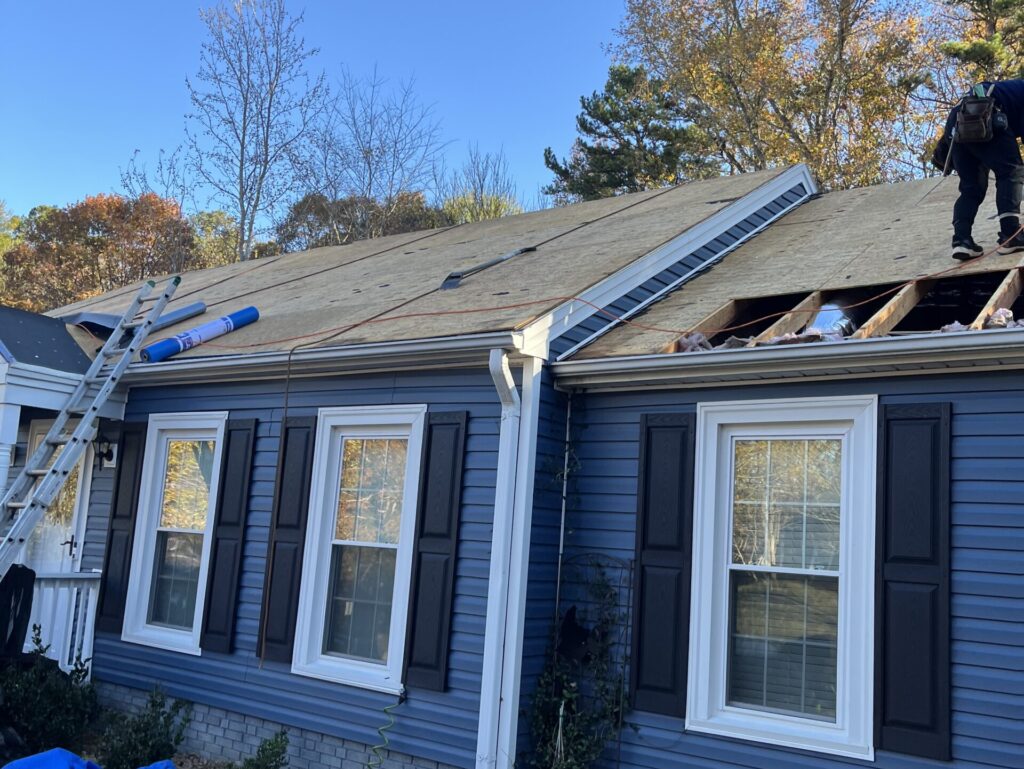
Understanding the most common entry points helps you know where to look first and what a contractor will focus on during their assessment.
Flashing Failures
Flashing installed around chimneys, skylights, vent pipes, and roof-to-wall intersections is the most common source of attic leaks. Metal flashing that has lifted, corroded, or pulled away from its sealed edge allows water to run directly into the attic along those penetrations. The water then travels along the nearest rafter or sheathing before dripping somewhere lower, often making the source appear to be somewhere other than the actual entry point.
Missing or Damaged Shingles
A missing shingle or one that has cracked through creates a direct opening in the roof system. Water entering through a missing shingle typically causes staining and wetness in the area of the attic directly below the gap, making it one of the easier leak sources to trace from the inside.
Ridge and Valley Deterioration
The ridge cap running along the peak of the roof and the valleys where two roof planes meet are high-wear areas that deteriorate faster than flat sections of shingles. Cracked or missing ridge cap and deteriorated valley flashing are frequent sources of water that enters near the peak and runs down into the center of the attic.
Soffit and Fascia Issues
Damaged or improperly installed soffit and fascia at the roof edge can allow wind-driven rain to enter the attic from below rather than through the roof deck itself. This type of intrusion causes staining near the eaves and is often mistaken for a roofing problem when the actual entry point is at the roof edge.
Do Not Wait on These Warning Signs
Attic leaks are patient problems. They do not demand your attention the way a ceiling stain does, which is exactly what makes them expensive. The homeowners in Monroe, NC and surrounding areas who address these signs quickly are the ones who avoid the mold remediation, insulation replacement, and structural repair costs that come with a leak that has been ignored through multiple seasons.
Rock Roofing provides thorough roof and attic assessments for homeowners who want a clear picture of what is happening above the ceiling line. We identify the source of the problem, explain what it will take to fix it, and give you honest guidance on whether repair or full replacement is the right call for your situation. No pressure and no guesswork.
If you found any of these warning signs in your attic or simply want peace of mind before the next storm season, contact us today and let Rock Roofing give you the answers your home needs.