Roofing
Roof Lifespan (8 Factors That Impact Durability 2026)
Your roof is the single most protective system on your home, and like every system, it has a finite useful life. Understanding roof lifespan helps you plan financially, maintain your home proactively, and recognize when repair is no longer the right call. If your roof is aging and you are starting to weigh your options, knowing what a full replacement actually involves is a practical first step before any contractor conversation happens. Homeowners in Waxhaw, NC and surrounding areas face this decision every year, and the ones who plan ahead consistently get better outcomes.
Here is what you will learn in this guide:
- How long different roofing materials are designed to last
- The eight factors that shorten or extend a roof’s useful life
- What signs indicate a roof is approaching the end of its lifespan
- How North Carolina’s climate specifically affects roof durability in 2026
- What homeowners can do to maximize the years they get from their current roof
Why Knowing Your Roof’s Lifespan Changes How You Maintain It
Most homeowners think about the roof reactively, when something goes wrong. Understanding lifespan shifts that thinking to proactive, which is where the real value is. A homeowner who knows their 20-year asphalt roof is at year 17 makes different maintenance decisions than one who simply assumes the roof is fine because nothing has leaked yet.
Here is why lifespan awareness pays off in practical ways:
- It anchors your maintenance budget: When you know roughly how many years of useful life remain, you can plan for eventual replacement rather than being caught off guard by a sudden large expense.
- It changes how you evaluate repair versus replace: A repair that costs several hundred dollars makes sense on a roof with eight years of life remaining. The same repair on a roof with one year left is money that belongs toward replacement instead.
- It informs your insurance conversations: Insurance companies increasingly factor roof age into coverage terms and premiums. Knowing where your roof stands on the lifespan curve helps you anticipate those conversations and plan around them.
- It improves your home sale position: Buyers, inspectors, and lenders all evaluate roof age and remaining lifespan. A homeowner who knows their roof’s condition and history presents better than one who cannot answer basic questions about it.
- It protects you from unnecessary upsells: A contractor recommending full replacement on a roof with significant life remaining is easier to question when you understand where that roof actually sits on the lifespan spectrum.
Lifespan is not a fixed number. It is a range shaped by material, installation quality, climate, and maintenance, and understanding those factors puts you in control of the conversation.
8 Factors That Impact Roof Lifespan and Durability
No two roofs age at exactly the same rate, even when they are made of the same materials and installed on similar homes. The factors below explain why one asphalt roof lasts 15 years and another from the same era lasts 25. Homeowners in Waxhaw, NC and surrounding areas encounter all of these variables, and most of them are at least partially within a homeowner’s control.
1. Roofing Material
The single largest predictor of roof lifespan is the material it is made from. Different materials carry significantly different expected service lives under comparable conditions.
General lifespan ranges by material type:
- 3-tab asphalt shingles: 15 to 20 years under normal conditions
- Architectural (dimensional) asphalt shingles: 25 to 30 years with proper installation and maintenance
- Metal roofing (standing seam): 40 to 70 years depending on gauge and coating
- Clay or concrete tile: 40 to 50 years, though the underlying structure may need attention sooner
- Wood shake: 20 to 30 years with consistent maintenance, shorter in humid climates
- Slate: 75 to 100 years or more for natural slate when properly maintained
Material selection at installation is the foundational lifespan decision. Upgrading to a higher-grade material at replacement is one of the most cost-effective long-term choices a homeowner can make.
2. Installation Quality
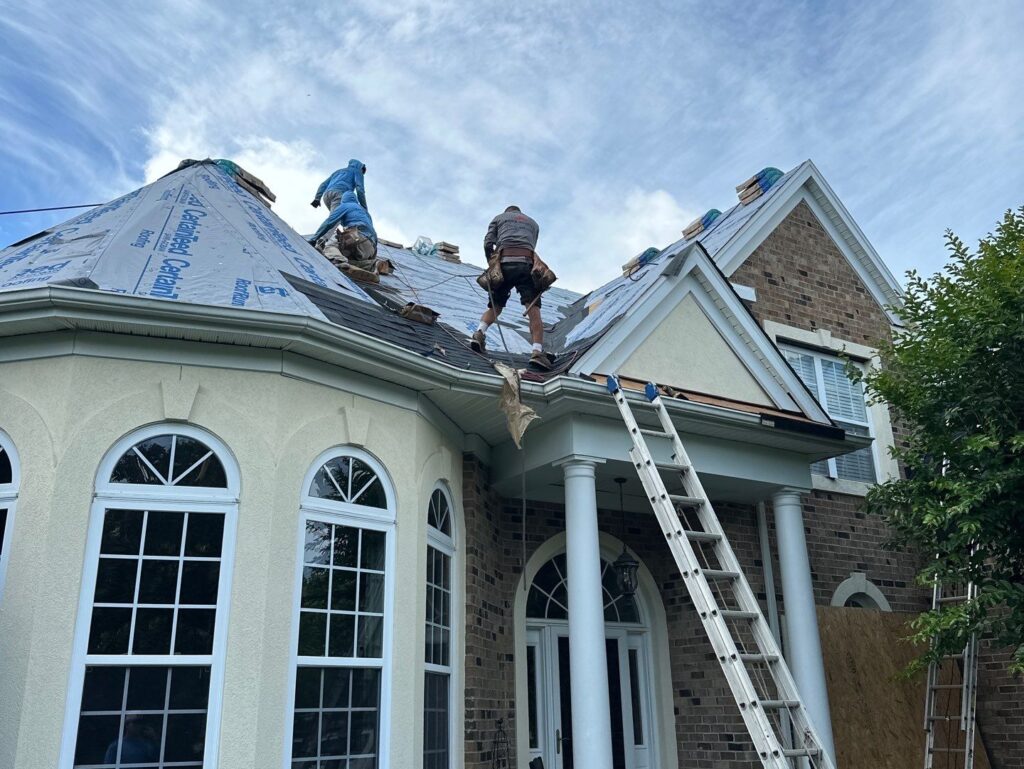
Even the best roofing material underperforms when it is installed incorrectly. Poor installation is one of the leading causes of premature roof failure, and it often goes undetected for years before the consequences become visible.
Installation issues that shorten lifespan include:
- Improper nailing patterns that leave shingles vulnerable to wind uplift
- Inadequate underlayment or missing underlayment in certain sections
- Flashing installed incorrectly or with the wrong materials
- Insufficient ventilation built into the system at installation
- Shingles installed over an existing damaged layer without proper preparation
Choosing a licensed, experienced roofing contractor for installation is the most direct way to protect the material’s full potential lifespan.
3. Attic Ventilation
Ventilation is one of the most underappreciated factors in roof longevity. A properly ventilated attic maintains consistent temperature and moisture levels that allow roofing materials to perform as designed. An underventilated attic traps heat and moisture that accelerate shingle deterioration from the underside.
In summer, a poorly ventilated attic can reach temperatures that literally cook the shingle mat from below, dramatically shortening its effective life. In winter, trapped moisture condenses on the underside of the sheathing, promoting rot and mold that compromise the structural layer beneath the shingles.
4. Climate and Weather Exposure
Where a roof is installed determines the environmental stresses it faces throughout its life. Roofs in North Carolina experience a combination of high summer heat, humidity, occasional hail, and periodic severe wind events, all of which affect the aging rate of roofing materials.
Specific climate factors that affect lifespan in this region:
- UV radiation in summer months accelerates granule loss in asphalt shingles
- Thermal cycling between hot days and cool nights causes repeated expansion and contraction that stresses seals and sealant strips over time
- High humidity promotes algae and moss growth that holds moisture against the shingle surface
- Hail impacts create granule loss and mat cracking that shortens the remaining effective life of affected shingles
Homeowners in Waxhaw, NC and surrounding areas who recognize these regional stressors can address them proactively through material selection and maintenance practices.
5. Roof Pitch and Design
The slope of a roof affects how efficiently it sheds water and debris. Steeper roofs drain more completely and tend to accumulate less standing water and organic material than low-slope designs. Flat or low-slope sections require different materials and more frequent maintenance to achieve comparable longevity.
Roof design complexity also plays a role. A simple gable roof with a single ridge has fewer penetrations, fewer valleys, and fewer transitions than a complex hip-and-valley roof with multiple dormers. Each additional complexity point is a potential failure location that requires more maintenance attention over time.
6. Maintenance History
A roof that receives consistent, attentive maintenance outlasts a neglected roof of the same material by years. Maintenance that extends lifespan includes cleaning gutters regularly to prevent water backup, removing moss and algae before they damage the shingle surface, resealing flashing at penetrations as sealant ages, and replacing isolated damaged shingles before water works into the underlying layers.
Homeowners who treat their roof as a system requiring periodic attention rather than a set-and-forget installation consistently get more years out of each material. Deferred maintenance is the most common reason roofs fail before their expected lifespan.
7. Number of Layers
When a new roof is installed over an existing layer of shingles rather than removing the old material first, it is called a re-roof or overlay. While this approach is less expensive at installation, it has meaningful implications for lifespan.
An overlay traps heat between the layers, accelerating deterioration of the new shingles. It also adds weight to the roof structure and conceals the condition of the decking beneath, making it impossible to assess or repair without a full tear-off. Most roofing professionals recommend against overlaying and will tell you that a properly installed new roof on a clean deck will outlast an overlay by several years.
8. Tree Coverage and Debris
Overhanging trees are one of the most overlooked factors in roof aging. Branches that deposit leaves, pine needles, and organic debris onto the roof create conditions that hold moisture against the shingle surface long after rainfall ends. That persistent moisture promotes algae, moss, and eventually the breakdown of the shingle mat itself.
Overhanging branches also create impact risk in wind events and provide pathways for animals to access the roof surface and potentially the attic. Trimming branches to maintain clearance above the roofline is one of the simplest and most effective maintenance practices available.
What Roof Lifespan Looks Like by the Numbers
Understanding lifespan ranges for the most common materials helps homeowners benchmark their own roofs and make informed decisions about repair versus replacement.
Asphalt Shingles: The Most Common Material in the Region
The vast majority of residential roofs in the Carolinas are asphalt shingle systems. Three-tab shingles, now less common in new construction, carry an expected lifespan of 15 to 20 years. Architectural shingles, the current standard, are designed for 25 to 30 years. Both ends of those ranges are achievable, and the factors above determine which end of the range a given roof reaches.
A 20-year-old architectural shingle roof that has been well-maintained, properly ventilated, and has never sustained significant storm damage may have 8 to 10 years of life remaining. The same age roof on a poorly ventilated attic with deferred maintenance and a history of hail events may be at end of life already.
Metal Roofing: Long-Term Value
Metal roofing systems, particularly standing seam steel and aluminum, are increasingly common on new construction and replacements in the region. Their lifespan advantage over asphalt is substantial, ranging from 40 to 70 years under comparable conditions. The higher upfront cost of metal spreads across that extended lifespan in a way that often makes it the better long-term value, particularly for homeowners who plan to stay in their homes long-term.
Tile and Specialty Materials
Tile roofing carries an impressive lifespan of 40 to 50 years for concrete and longer for clay, but it is installed less frequently in the Carolinas due to the higher structural load it places on the home. Slate roofing is even more durable but is primarily found on older homes in the region given its cost and weight requirements.
Signs Your Roof Is Approaching the End of Its Lifespan
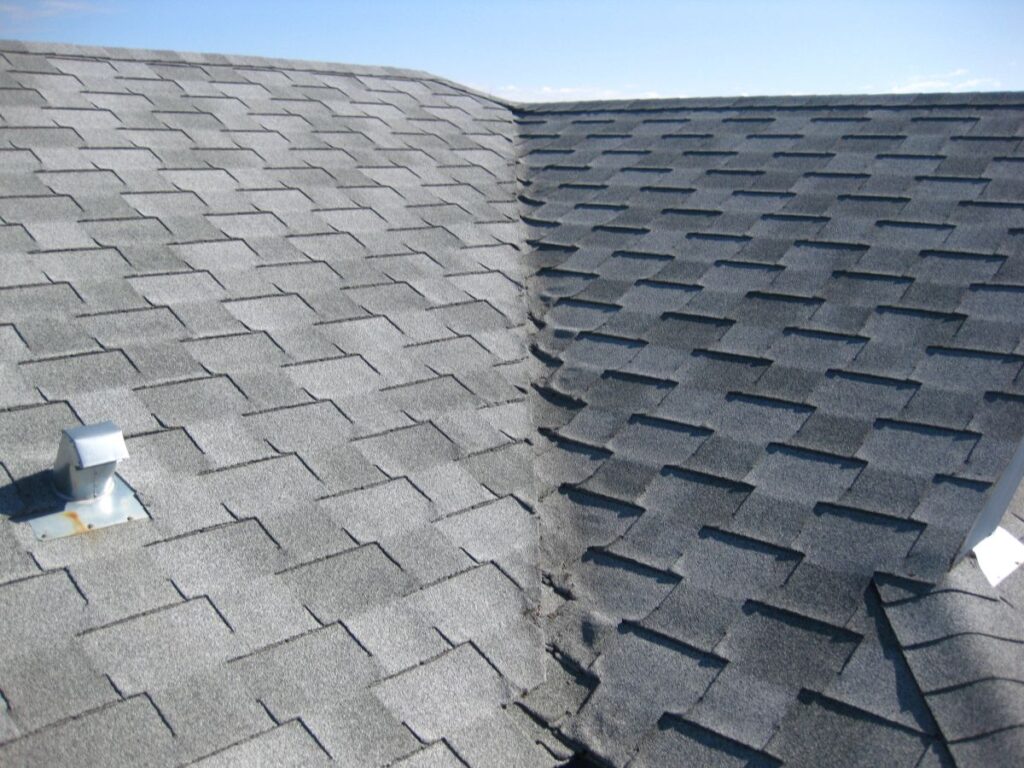
Knowing the expected lifespan of your material is the starting point, but the roof itself communicates its condition through visible signals. Recognizing these signs helps you time the replacement conversation accurately rather than either rushing unnecessarily or waiting too long.
- Widespread granule loss: Asphalt shingles shed granules as they age. Gutters full of granule material and visibly bald or thin patches on the shingle surface indicate a roof that is in the later stages of its lifespan.
- Curling or cupping at shingle edges: Shingles that are curling upward at the edges or cupping downward in the center have lost their dimensional stability. This is a reliable indicator that the material is at or near the end of its effective life.
- Cracking across multiple areas: Isolated cracked shingles can be replaced. Cracking that appears across multiple sections of the roof indicates systemic aging that repair cannot address comprehensively.
- Sagging or uneven roof plane: Any area of the roof that appears to sag, bow, or deviate from a flat plane suggests structural compromise beneath the shingles. This is a more urgent finding than cosmetic shingle wear.
- Moss or algae coverage: While treatable in the early stages, heavy moss or algae coverage that has been present for an extended period holds moisture against the shingle surface in a way that accelerates the end of the material’s effective life.
- Multiple repairs in a short period: A roof that requires repeated repairs in consecutive years is communicating that the system has reached the point where individual fixes are no longer addressing the underlying reality of material aging.
Make the Most of Your Roof While It Lasts
Understanding roof lifespan is not about anticipating failure. It is about being informed enough to maintain what you have intelligently, spend money on repair versus replacement at the right time, and plan for the future without being caught off guard by a large expense.
Rock Roofing works with homeowners throughout Waxhaw, NC and surrounding areas to assess roof condition honestly, identify where a roof sits on the lifespan curve, and give straightforward guidance on whether maintenance, repair, or replacement is the right next move. We do not push replacement on roofs that have productive years remaining, and we do not recommend repair on roofs that have clearly reached their end.
If you want an honest assessment of where your roof stands heading into 2026, contact us today and let Rock Roofing give you the information you need to make the right call.