Roofing
New Construction Roofing (7 Materials & Planning Tips)
Building a home gives you something existing homeowners rarely get: a clean slate for the roof. New construction roofing decisions made during the planning phase affect energy bills, insurance premiums, and maintenance costs for decades, and they are far easier and cheaper to get right now than to correct later. Understanding how a complete roofing installation comes together helps you ask better questions of your builder and any roofing contractor involved. Homeowners in Indian Trail, NC and surrounding areas are building at a steady pace, and the roof is one place where planning pays off.
Here is what you will learn in this guide:
- Why the roofing decisions you make during construction matter so much
- Seven materials and planning tips that shape a durable, well-performing new roof
- How to choose between the most common roofing materials for new builds
- What to coordinate with your builder, architect, and roofing contractor
- Common mistakes to avoid before the first shingle goes down
Why New Construction Roofing Decisions Deserve Extra Attention
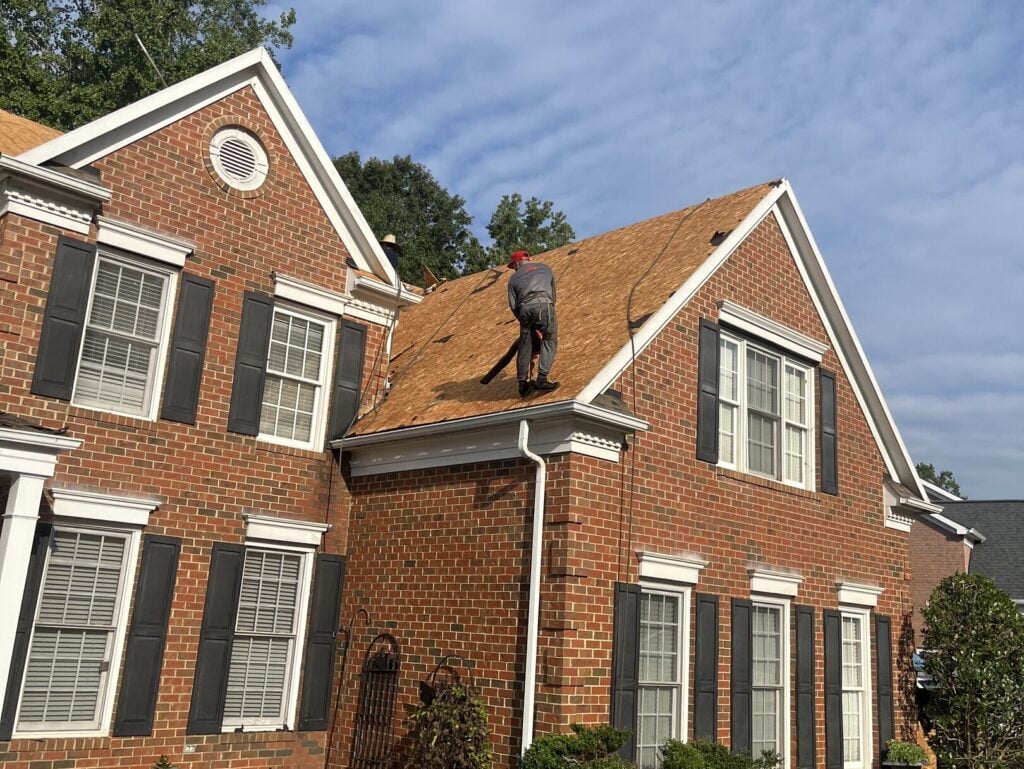
When you replace an existing roof, you work around whatever structure is already there. With a new build, you control the pitch, the overhangs, the ventilation plan, and the material from the start. That freedom is valuable, but it also means every decision carries more weight because it becomes the foundation for the next several decades of ownership.
Here is why careful planning during the build phase changes the long-term picture:
- Design choices are cheap to make now: Adjusting roof pitch, adding ridge ventilation, or specifying a heavier underlayment costs little during framing. Changing any of those after the house is finished can require significant rework.
- Material choice sets your maintenance profile: The material you select determines how often the roof needs attention, what kind of attention it needs, and when replacement will eventually be required.
- Insurance terms are tied to roof specifications: Impact ratings, wind ratings, and material classifications influence premiums. Specifying qualifying products from the beginning can reduce costs for as long as you own the home.
- Warranty coverage starts clean: A new roof installed by a qualified contractor with a documented specification gives you clear warranty coverage from day one, with no pre-existing conditions to complicate a future claim.
- Energy performance is built in: Ventilation, reflectivity, and insulation coordination are all easier to design into a new build than to retrofit, and they affect heating and cooling costs every month.
A new roof that is planned well rarely needs attention in its first decade. A new roof that is rushed or underspecified often shows problems far sooner than it should.
7 Materials and Planning Tips for a Successful New Roof
These are the decisions and coordination points that matter most when planning the roof on a new build. Homeowners in Indian Trail, NC and surrounding areas who work through them early tend to avoid the schedule delays, change orders, and callbacks that catch less prepared builders and owners off guard.
1. Choose the Right Roofing Material for Your Climate and Budget
The material is the most visible roofing decision and one of the most consequential. Each option brings a different balance of cost, lifespan, weight, and appearance.
Common material options for new construction:
- Architectural asphalt shingles: The most popular choice for new homes, offering a strong balance of cost, durability, and style, with typical lifespans of 25 to 30 years
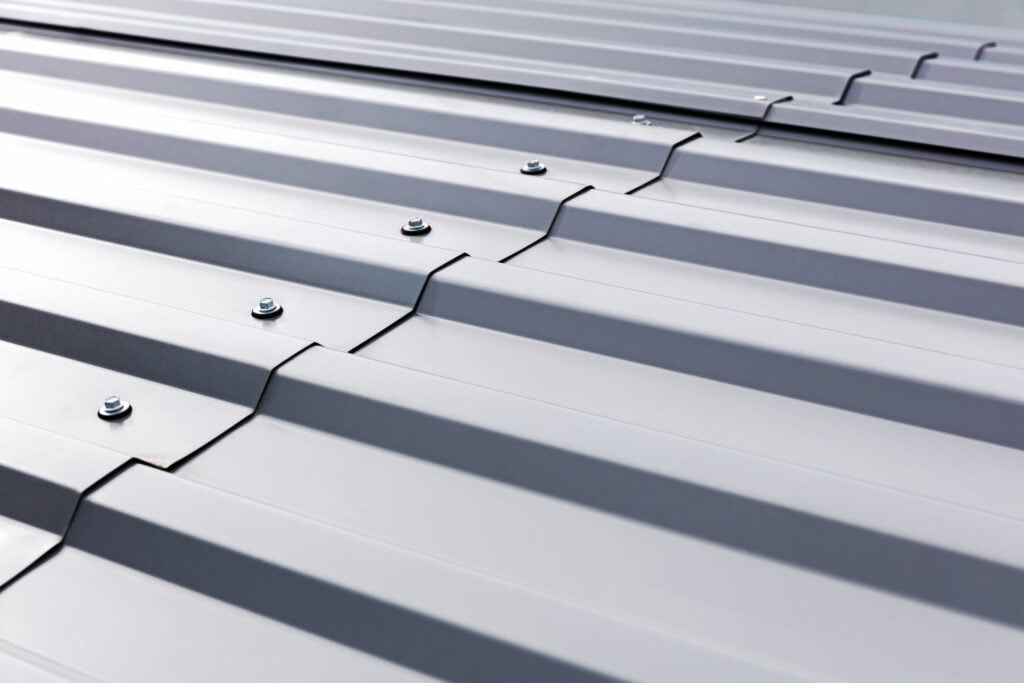
- Metal roofing: Higher upfront cost, but lifespans of 40 to 70 years, excellent wind and hail performance, and strong energy efficiency
- Clay or concrete tile: Long-lasting and distinctive, but heavy enough to require structural planning from the start
- Synthetic slate and shake: Lightweight products that replicate premium looks with less weight and lower maintenance than the natural versions
Ask your builder what material is included in the base contract and what upgrading would cost. Builder-grade specifications are often the minimum acceptable option rather than the best value.
2. Plan the Roof Pitch and Design Early
Roof pitch affects which materials are compatible, how well the roof sheds water, and how much attic space the home has. Steeper roofs drain faster and work with the widest range of materials. Lower pitches limit your options and may require membrane systems rather than shingles.
Design complexity matters too. Every valley, dormer, and penetration adds cost and creates a potential leak point. A simpler roofline is usually less expensive to build and easier to maintain, so weigh the visual benefit of added complexity against its long-term cost.
3. Specify the Underlayment and Water Barrier System
Underlayment is the hidden layer that protects the deck if the shingles are ever compromised. On a new build, this is an easy place to specify an upgrade, and it is one of the better-value improvements available.
Worth specifying:
- Synthetic underlayment across the full deck for better tear resistance than traditional felt
- Self-adhering ice and water shield in valleys, at eaves, and around every penetration
- Properly installed drip edge along eaves and rakes
- Sealed or taped seams where the product calls for them
Many production builders use the minimum underlayment. Asking for the specification in writing lets you confirm what is actually going on your roof.
4. Design Attic Ventilation Into the Framing
Ventilation is one of the most overlooked parts of new construction roofing, and it directly affects roof lifespan and energy cost. A balanced system pairs intake at the soffit with exhaust at or near the ridge so air moves continuously through the attic.
Why it matters:
- Poor ventilation traps heat that shortens shingle life from below
- Trapped moisture can create mold and rot in the sheathing
- A well-ventilated attic reduces summer cooling loads
- Some shingle manufacturers require adequate ventilation to keep their warranty valid
Confirm that the framing plan includes sufficient intake and exhaust area before the roof goes on, since correcting ventilation after the fact is more disruptive and expensive.
5. Coordinate Flashing Details Before Installation
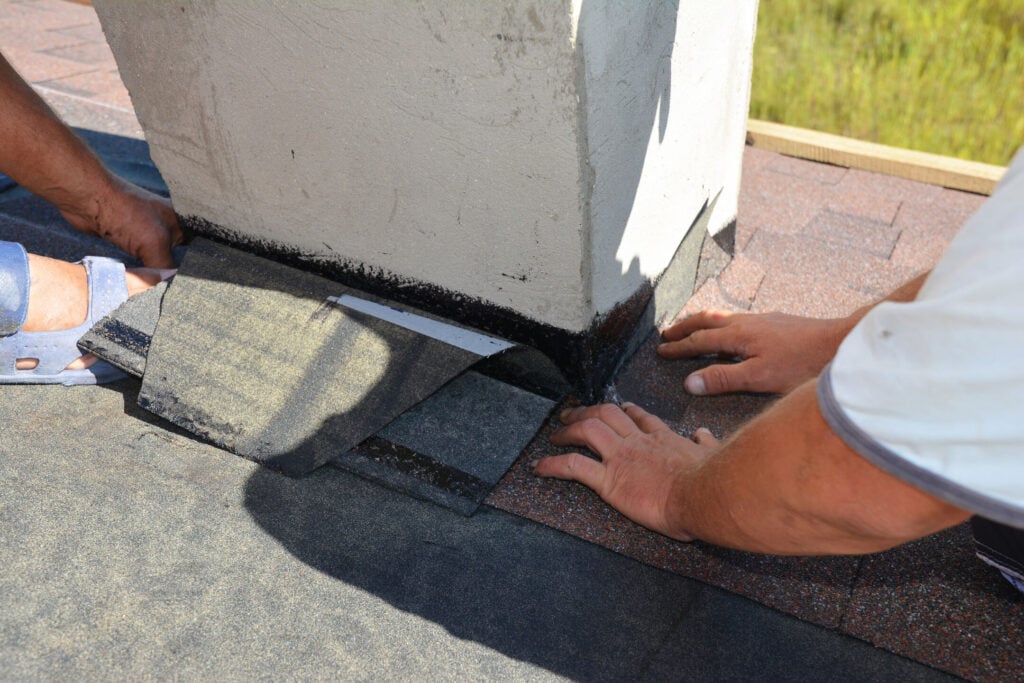
Flashing is where most leaks begin, and new construction involves a lot of it: chimneys, skylights, wall intersections, valleys, and every pipe and vent that passes through the roof. Poorly coordinated trades are a common cause of flashing failures on new homes.
Questions worth asking:
- Who installs the flashing at wall intersections and chimneys, and when?
- Is step flashing being used where roofs meet walls rather than surface sealants alone?
- Are pipe boots and vent flashings a durable material rather than basic rubber that cracks early?
- Will the roofing contractor inspect the work of other trades that penetrate the roof?
A coordinated sequence between framers, siding crews, and roofers prevents the gaps that show up as leaks a year or two later.
6. Verify Contractor Qualifications and Manufacturer Certifications
On a new build, the roofing contractor is often chosen by the builder rather than the homeowner. That does not mean you cannot ask questions or request qualifications. A roof installed incorrectly voids the protection a good material would otherwise provide.
Ask for:
- Proof of licensing and active liability and workers’ compensation insurance
- Manufacturer certifications that allow the contractor to offer enhanced warranties
- References from recent new construction projects of similar scope
- A written labor warranty that is separate from the manufacturer’s material warranty
If your builder uses a single roofing subcontractor on every home, ask to see examples of their completed work and speak with a past homeowner if possible.
7. Plan the Schedule Around Weather and Inspections
Roofing is weather dependent, and new construction schedules are tight. Rain delays, material lead times, and inspection timing all influence when the roof can be completed. A dry-in delay exposes the framing and interior to the elements, which creates its own damage risk.
Planning tips:
- Order materials early, since popular colors and specialty products can have extended lead times
- Confirm the inspection schedule so the roof deck passes before shingles are installed
- Ask how the contractor protects the home if weather moves in mid-installation
- Build in a buffer for weather rather than assuming a perfect schedule
A roof that is installed carefully on a slightly later schedule is a better outcome than one rushed to meet a date.
Comparing Roofing Materials for New Construction
Seeing the options side by side helps clarify how each material fits different priorities. Homeowners in Indian Trail, NC and surrounding areas weighing their choices can use this as a starting point before getting specific quotes.
| Material | Typical Lifespan | Upfront Cost | Maintenance | Best For |
| Architectural Asphalt | 25-30 years | Low to moderate | Moderate | Most new homes and budgets |
| Metal Roofing | 40-70 years | Moderate to high | Low | Long-term owners, severe weather |
| Clay or Concrete Tile | 40-50 years | High | Low to moderate | Mediterranean and custom designs |
| Synthetic Slate or Shake | 40-50 years | Moderate to high | Low | Premium looks without heavy weight |
| Natural Slate | 75-100 years | Very high | Low | Legacy homes and high-end builds |
How To Use This Comparison
The lowest upfront cost is not always the lowest lifetime cost. A homeowner planning to stay for decades may find that a longer-lasting material pays for itself, while someone planning to sell within a few years may reasonably prioritize the lower initial investment.
Questions To Settle Before You Decide
How long do you plan to own the home? What are your insurance carrier’s requirements and available discounts? What does your homeowners association allow, if one applies? How much of your budget can go toward the roof without compromising other priorities?
Common New Construction Roofing Mistakes To Avoid
Even well-planned builds can run into avoidable problems. Knowing the most frequent mistakes helps you catch them before they become permanent.
- Accepting the builder-grade default without asking: The standard specification is often the minimum the budget allows. Asking what upgrades are available, and what they cost, gives you real choices.
- Skipping ventilation planning: A roof that looks perfect but traps heat and moisture will age faster than expected. Ventilation belongs in the plan from the framing stage.
- Not documenting what was installed: Keep copies of the material specifications, warranty documents, and contractor information. This paperwork matters if you ever need to file a claim or schedule a repair.
- Ignoring flashing coordination: When multiple trades work around the roof, flashing details get missed. Ask who is responsible for each penetration and transition.
- Skipping a final walkthrough: Before closing, have the roof inspected by a qualified professional rather than relying solely on the builder’s sign-off. A fresh set of eyes can catch issues while they are still the builder’s responsibility to fix.
Start Your New Build With a Roof You Can Count On
The roof on a new home sets the tone for how the entire structure performs over time. Material selection, ventilation, flashing, and installation quality are all decisions that compound across decades, which is why getting them right during construction matters so much. Homeowners in Indian Trail, NC and surrounding areas who take an active role in the roofing plan consistently end up with homes that perform better and cost less to maintain.
Rock Roofing works with homeowners and builders to plan, specify, and install roofs that are built to perform through the Carolina climate. We explain your options plainly, recommend what fits your home and budget, and stand behind our workmanship with clear documentation and honest communication. No pressure and no shortcuts.
If you are planning a new build and want expert guidance on the roof, contact us today and let Rock Roofing help you start with a plan that protects your investment for years to come.