Insurance
How Long Does An Insurance Company Have To Investigate A Claim
When storm damage hits your roof, the last thing you want is to be stuck waiting without any idea of what comes next. Knowing how long does an insurance company have to investigate a claim puts you in a stronger position to protect your home and hold your insurer accountable. If you are already dealing with visible damage and need to understand your options for getting it assessed and fixed, that clarity matters from day one. Homeowners in Charlotte, NC and surrounding areas deserve answers, not delays.
Here is what you will learn in this guide:
- The general timelines insurers are required to follow during a roof claim investigation
- How state regulations affect how long a company can take
- What you can do to keep the process moving
- Red flags that suggest your claim is being mishandled
- How a roofing contractor fits into the investigation timeline
Insurance Claim Timelines: What the Law Actually Requires

Most homeowners assume their insurance company can take as long as it wants to process a claim. That assumption works in the insurer’s favor. The reality is that nearly every state has regulations that govern how quickly insurers must acknowledge a claim, begin an investigation, and issue a decision. Understanding those timelines gives you real leverage.
Here is why this knowledge matters for homeowners navigating a roof damage claim:
- You can hold your insurer to a legal standard: Once you know the deadline your insurer is working under, you can follow up with confidence and document any missed benchmarks.
- Delays can become bad faith claims: If an insurer drags its feet beyond what state law allows without a valid reason, that delay may constitute bad faith, which carries legal consequences for the company.
- Faster documentation leads to faster decisions: Knowing the timeline motivates you to get your inspection, photos, and paperwork submitted quickly so the clock starts working in your favor.
- You can plan repairs around the investigation: Understanding when a decision is likely helps you schedule contractors and avoid letting damage worsen while you wait.
- Awareness protects against lowball settlements: Insurers sometimes move slowly to pressure homeowners into accepting less. Knowing your rights makes that tactic harder to pull off.
The specifics vary by state, but the framework is consistent enough that every homeowner should understand the basics before filing a claim.
5 Stages To Expect During an Insurance Claim Investigation
While exact deadlines differ from state to state, most insurance investigations follow a similar structure with distinct phases. Homeowners in Mint Hill, NC and surrounding areas benefit from understanding each phase so they know what to expect and when to speak up.
1. Claim Acknowledgment
After you file a claim, your insurance company is generally required to acknowledge receipt within a set number of days. In most states, this window is between 10 and 15 days. Acknowledgment does not mean your claim is approved. It simply means the insurer has confirmed they received it and assigned it for review.
What acknowledgment should include:
- Confirmation of your claim number
- Contact information for your assigned adjuster
- A general overview of next steps
- Any forms or documentation they need from you upfront
If you do not receive acknowledgment within two weeks of filing, that is your first signal to follow up in writing.
2. Assignment and Initial Contact
Once your claim is acknowledged, the insurer assigns an adjuster who is responsible for investigating the damage. The adjuster should contact you within a few days of assignment to schedule an inspection. In practice, this initial contact window is often 10 to 15 days from the date the claim was filed, though some states compress that timeframe to as few as 5 days.
During this phase, you should:
- Confirm the adjuster’s name, license number, and contact information
- Ask for the inspection to be scheduled promptly
- Begin gathering your own documentation, including photos, video, and any contractor assessments you have already obtained
3. On-Site Investigation
The adjuster will visit your property to inspect the damage directly. The timing of this visit depends on the adjuster’s workload, weather conditions, and the severity of the storm event. After a major storm, adjusters may be handling dozens of claims at once, which can push inspection timelines out by several weeks.
You are not required to wait passively. You can and should:
- Have an independent roofing contractor inspect the damage before or alongside the adjuster
- Keep your own documented record of all damage with date-stamped photos
- Note any temporary repairs you made to prevent further damage, since those costs may be reimbursable
4. Coverage Decision
After the investigation is complete, your insurer must issue a coverage decision within a legally mandated window. Most states require a decision within 15 to 45 days of claim receipt, though some extend that to 60 days when circumstances are complex. The insurer must either approve the claim, deny it with a written explanation, or request a reasonable extension with a valid reason.
Key things to know about the decision phase:
- A written denial must cite specific policy language that supports the decision
- If the insurer requests an extension, they must notify you in writing and explain why
- You have the right to request a copy of all documentation the insurer used to reach their decision
5. Payment or Denial
If the claim is approved, payment timelines also vary by state, but most require the insurer to issue payment within 5 to 10 business days of the coverage decision. If the claim is denied, you have the right to appeal and the timeframe for doing so will be outlined in the denial letter.
What Can Slow Down Your Claim Investigation
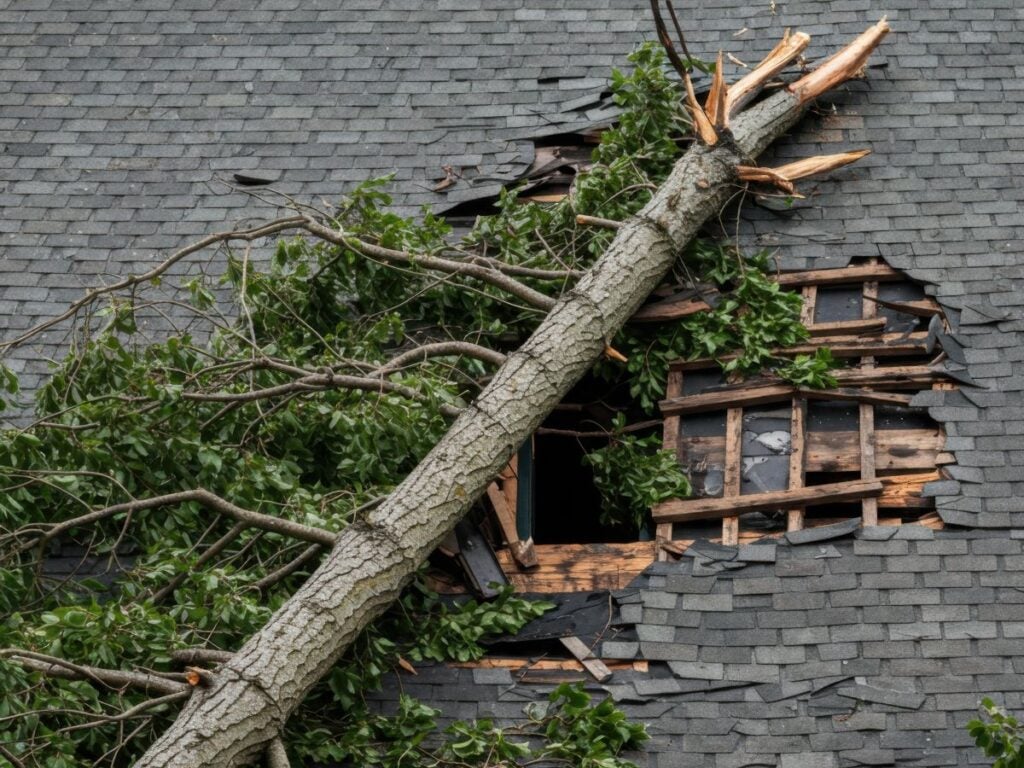
Even when an insurer is acting in good faith, certain factors can legitimately extend the investigation timeline. Understanding these helps you distinguish between a normal delay and one that warrants concern. This is especially relevant for homeowners in Charlotte, NC and surrounding areas dealing with widespread storm events where multiple properties are affected at once.
High Claim Volume After Major Storms
When a significant weather event hits a region, insurers are flooded with claims simultaneously. Adjusters may be working through backlogs that push every phase of the investigation out by weeks. This is a recognized exception in most state regulations, and insurers may be permitted additional time in declared disaster areas.
Incomplete Documentation from the Homeowner
If your claim file is missing required information, like contractor estimates, photos, or a completed claim form, the insurer may pause the investigation clock until those materials are received. This is one of the strongest arguments for submitting thorough, organized documentation from the start.
Policy Coverage Disputes
If there is a genuine question about whether your policy covers the type of damage you are claiming, the investigation may take longer while the insurer reviews the specific policy language and consults internally. These disputes are also the most common starting point for formal appeals.
Third-Party Involvement
Sometimes an insurer brings in an independent inspection company or engineer to assess the damage separately from the adjuster’s visit. Coordinating those schedules adds time to the process and is more common in high-value claims or cases where the cause of damage is disputed.
North Carolina Timelines and What Homeowners Should Know
North Carolina has specific statutes governing insurance claim timelines that all homeowners in the state should be aware of. While this guide is not legal advice, knowing the general framework helps you navigate the process with realistic expectations.
Key North Carolina Benchmarks
Under North Carolina regulations, insurers are generally required to:
- Acknowledge a claim within 10 days of receipt
- Begin investigating within 10 days of acknowledgment
- Issue a decision within 30 days of receiving all required information, with written notice of any extension and the reason for it
These timelines apply to standard claims. Complex claims involving litigation or ongoing disputes may have different timelines established through legal proceedings.
When North Carolina Homeowners Should Escalate
If your insurer has missed any of these benchmarks without explanation, you have a few options:
- Send a written follow-up to your adjuster and their supervisor documenting the missed deadline
- File a complaint with the North Carolina Department of Insurance, which oversees insurer conduct and can initiate investigations into improper claim handling
- Consult a public adjuster or insurance attorney if the delay is causing significant financial harm or preventing necessary repairs
Homeowners in Mint Hill, NC and surrounding areas who have dealt with storm-related claims know that staying organized and informed is the most effective way to move things along.
How to Keep Your Claim on Track
You have more influence over the pace of your claim investigation than most homeowners realize. Taking proactive steps from the moment damage occurs can shorten the timeline considerably and reduce the risk of a denial based on incomplete documentation.
- File promptly: Most policies require you to report damage within a reasonable time of its occurrence. Waiting too long can give the insurer grounds to question whether the damage happened when you say it did.
- Document everything immediately: Before any repairs are made, photograph and video every area of damage from multiple angles. Document the date, time, and weather conditions if possible.
- Get an independent inspection early: A licensed roofing contractor’s assessment gives you a second set of documentation that you can submit alongside your claim and reference throughout the process.
- Keep a paper trail: Every conversation with your insurer should be followed up with a written summary sent via email. Every document you submit should be sent with delivery confirmation. This record protects you if a dispute arises later.
- Avoid making permanent repairs before the adjuster visits: Temporary repairs to prevent further damage are fine and often reimbursable. Permanent repairs made before the investigation may give the insurer grounds to argue the damage cannot be accurately assessed.
- Follow up in writing on a regular schedule: If you have not heard from your adjuster within the legally required window, send a polite, documented follow-up noting the date of your original filing and requesting a status update..
Frequently Asked Questions
What happens if my insurance company misses the investigation deadline? If your insurer fails to meet state-mandated timelines without a valid reason, they may be in violation of unfair claims settlement practices regulations. You can file a complaint with your state’s Department of Insurance and, in some cases, pursue legal action for bad faith.
Can an insurer extend the investigation timeline? Yes, but they must notify you in writing and provide a specific, valid reason for the extension. Open-ended extensions without explanation are not permitted under most state regulations.
Should I accept the adjuster’s damage assessment as final? Not necessarily. You have the right to dispute the adjuster’s findings and submit additional documentation, including an independent contractor’s report. If you believe the assessment was incomplete, requesting a second inspection or filing a formal appeal are both valid options.
Does hiring a roofing contractor affect the investigation timeline? A contractor’s inspection does not slow down your claim. In most cases, having a detailed, professional assessment ready to submit alongside or shortly after your claim can actually speed up the investigation by reducing back-and-forth between you and the adjuster.
Your Roof Should Not Wait While the Clock Runs
Insurance investigations have legal timelines for a reason, and knowing those timelines is one of the most practical tools a homeowner has when navigating a roof damage claim. Whether you are in the early stages of filing or already waiting on a decision, staying informed and organized makes the process faster and fairer. Homeowners in Charlotte, NC and surrounding areas trust Rock Roofing for straightforward guidance, thorough inspections, and the documentation support that moves claims forward.
If you are dealing with storm damage, an ongoing claim, or just need a professional assessment to get the process started, contact us today to schedule your inspection and let Rock Roofing help you take the right next step.