Roofing
Steps to Tackle Emergency Roof Repair (& Common Problems)
When a storm tears through overnight or a tree branch lands on your roof, there is no time to wait and hope for the best. Emergency roof repair is the immediate action that stands between a manageable situation and one that costs you significantly more in structural damage, mold, and interior repairs. If the emergency reveals that your roof is closer to the end of its life than you realized, knowing what a full replacement involves before that conversation happens puts you ahead of the process. Homeowners in Matthews, NC and surrounding areas know storms do not wait for convenient timing.
Here is what you will learn in this guide:
- What qualifies as a roofing emergency and why fast action matters
- The step-by-step approach to tackling emergency roof repair safely
- The most common emergency roof problems and how they typically present
- How to work with your insurance company after emergency damage
- What separates a temporary fix from a situation that needs professional intervention immediately
Why Emergency Roof Repair Demands Immediate Attention
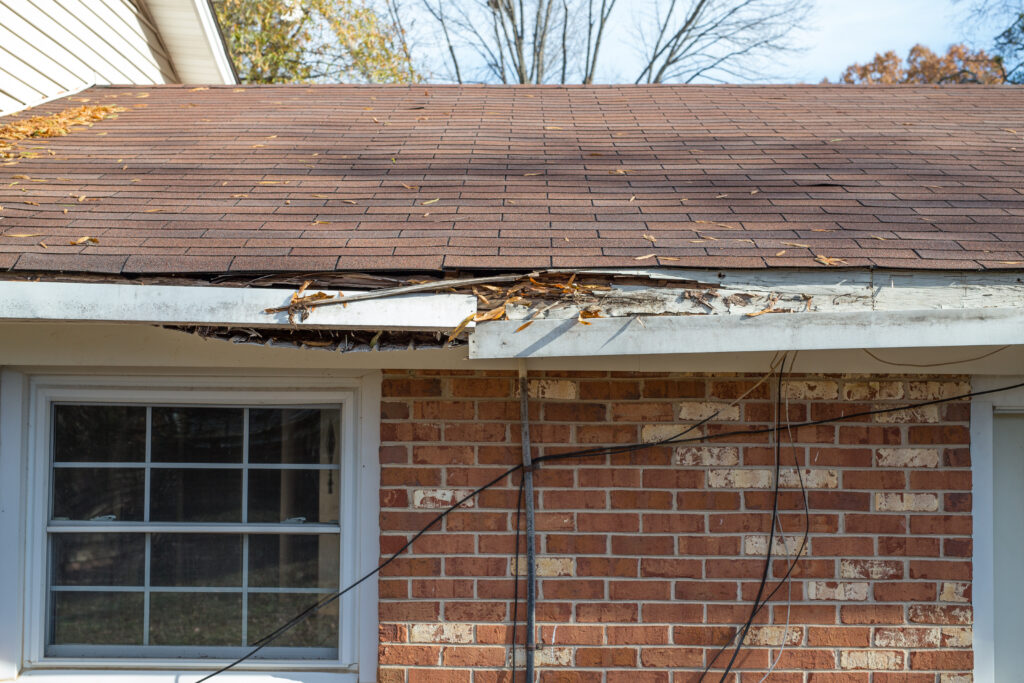
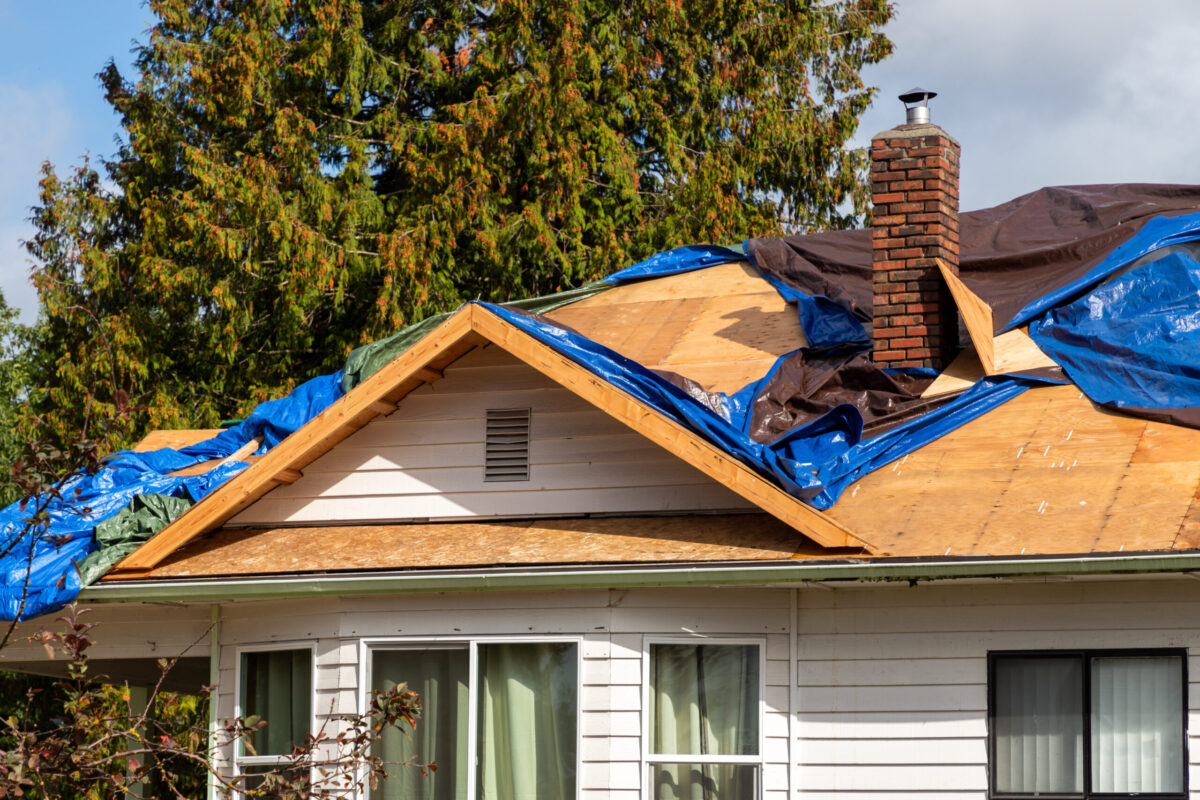
A damaged roof is not a problem that improves on its own. Every hour between the damage event and a temporary fix is an hour that water, wind, and debris have unrestricted access to your home’s structure. What begins as a storm-related opening can become a mold problem, an insulation replacement, or a ceiling collapse if the response is delayed by even a few days.
Here is why the speed of your response shapes the final outcome:
- Water damage multiplies fast: A single compromised section of roof can allow enough water intrusion during one rain event to saturate insulation, stain ceilings, warp flooring, and begin promoting mold growth all from one unaddressed opening.
- Structural exposure compounds the repair cost: Roof decking and framing members that are repeatedly exposed to moisture deteriorate in ways that go beyond surface damage. Rotted sheathing and rafters add significant cost to what might have been a straightforward repair.
- Insurance requires documented mitigation: Most homeowner’s insurance policies require the policyholder to take reasonable steps to prevent further damage after a covered event. Failing to address an active emergency can give an insurer grounds to reduce or deny a claim.
- Secondary damage is often worse than the original event: The storm itself may cause a few hundred dollars in roofing damage. The water intrusion that follows an unaddressed opening can cause thousands in interior repairs. Stopping the entry point quickly is what keeps that math from getting out of hand.
- Early action preserves your options: A roof that is addressed quickly after an emergency often needs only targeted repairs. A roof that sits exposed for days or weeks frequently needs a broader scope of work because the damage has spread beyond the original impact zone.
Treating a roofing emergency as exactly that, rather than something to schedule at a convenient time, is the decision that protects your home and your wallet.
7 Steps To Tackle Emergency Roof Repair
Whether you are dealing with the aftermath of a major storm or a sudden structural failure, the steps below give you a framework for responding effectively. Homeowners in Matthews, NC and surrounding areas who follow a clear process in the first hours after roof damage consistently report better outcomes than those who react without a plan.
1. Prioritize Safety Before Anything Else
Before you go outside to assess the damage or attempt any temporary fix, make sure conditions are safe. Do not access the roof during active rain, high wind, lightning, or when any portion of the roof structure appears unstable. A wet roof is a dangerous roof, and the hours immediately after a storm are the most hazardous time to be working at height.
Safety priorities in the first hour:
- Turn off electricity to any areas of the home where water intrusion is occurring
- Move valuables, electronics, and furniture away from active leak areas
- Place buckets or tarps to contain interior water damage
- Keep family members and pets clear of any area with structural uncertainty
2. Assess the Damage From the Ground
Once it is safe to go outside, do a full visual assessment of the roof from the ground using binoculars if available. You are looking for obvious damage like missing shingles, displaced materials, visible holes, sagging sections, or debris still resting on the roof surface. Photograph everything from multiple angles and note the approximate locations of any visible damage.
This ground-level documentation serves two purposes. It gives you a picture of the scope before any temporary repairs begin, and it gives your insurance company dated photographic evidence of the damage as it appeared immediately after the event.
3. Document Everything Before Making Any Repairs
Before moving a single piece of debris or applying a single piece of tape, document the damage as completely as possible. Use your phone to take photos and video of the roof exterior, the attic interior if accessible, and any interior areas showing water stains, wet insulation, or active dripping.
Documentation should include:
- Wide shots establishing the overall damage area
- Close-up photos of specific damage points
- Interior attic photos showing any water intrusion evidence
- Photos of any fallen trees, branches, or debris that caused the damage
- A timestamp on every image, which most phones apply automatically
This documentation is the foundation of an insurance claim and the reference point for any contractor who assesses the damage.
4. Apply a Temporary Fix to Stop Water Entry

Once documentation is complete and conditions allow safe access, apply a temporary fix to stop active water intrusion. The goal at this stage is not a cosmetic repair. The goal is to seal the opening well enough to keep water out until a permanent repair can be completed.
Effective temporary fixes by damage type:
- Large areas of missing shingles: A heavy-duty polyethylene tarp secured with battens and screws, extending at least four feet past every edge of the damaged area
- Small numbers of missing or cracked shingles: Asphalt roof cement and replacement shingles installed under the overlapping course above
- Cracked shingles or gaps at penetrations: Self-adhesive roofing tape or peel-and-stick membrane applied to a clean, dry surface
- Gaps at flashing or pipe boots: Roofing-grade caulk or sealant applied to the specific joint or separation
Keep all receipts for materials used in temporary repairs. Most insurance policies reimburse reasonable mitigation costs, and your documentation of those expenses supports that reimbursement.
5. Contact Your Insurance Company
As soon as the immediate emergency is stabilized, contact your insurance company to report the damage and begin the claims process. Do not wait until repairs are complete to make this call. Reporting promptly protects your rights under the policy and starts the clock on the investigation timeline.
When you call:
- Have your policy number ready
- Describe the event, the date it occurred, and the general nature of the damage
- Confirm whether your policy covers the specific type of event that caused the damage
- Ask about the timeline for adjuster assignment and inspection
- Request a claim number and the name of your assigned adjuster
6. Get an Independent Contractor Assessment
Before the insurance adjuster visits, or as quickly as possible alongside their inspection, schedule an independent assessment from a qualified roofing contractor. An insurance adjuster works for the insurance company. An independent contractor works for you and will document the full scope of damage without a financial incentive to minimize what they find.
A contractor’s emergency assessment should include:
- A written report identifying every area of damage and its probable cause
- Photographic documentation separate from your own
- A preliminary estimate for both temporary and permanent repairs
- An honest assessment of whether the damage is limited to specific areas or reflects broader deterioration of the roof system
7. Plan the Permanent Repair Before the Temporary Fix Fails
A tarp or roofing tape is not a permanent solution, and it has a finite lifespan. Once the immediate crisis is managed, the priority shifts to scheduling permanent repairs before the temporary fix gives out. Most temporary repairs hold for days to weeks depending on weather conditions, the quality of the installation, and the extent of the original damage.
Planning the permanent repair should begin within days of the emergency, not weeks. Contractors book out quickly after major storm events in any area, and homeowners who move quickly secure earlier appointments than those who wait until the temporary fix is already showing signs of failure.
Common Emergency Roof Problems and What Causes Them
Understanding the most frequent causes of roofing emergencies helps you recognize what you are dealing with quickly and respond to each one appropriately. These are the scenarios contractors see most often in the region, particularly during storm season.
Wind Damage and Lifted Shingles
High winds are the most common cause of sudden roof emergencies. Wind gets beneath shingle edges, particularly on older roofs where the sealant strip has lost its bond, and lifts or tears shingles away from the deck. Once the underlying felt or synthetic underlayment is exposed, the roof’s first line of water defense is gone.
Wind damage often looks worse than it is from the ground but can cover a larger area than it appears from close inspection. A single visible area of missing shingles may be surrounded by adjacent shingles that are lifted but not yet removed, creating a larger vulnerable zone than the obvious damage point alone.
Impact Damage From Falling Trees or Debris
A fallen tree or large branch is the most dramatic roofing emergency and one of the most variable in terms of severity. A small branch might crack a few shingles. A large limb or trunk section can breach the roof deck, damage framing members, and create an opening large enough that interior damage begins almost immediately.
In cases of significant impact, the temporary fix may not be sufficient if structural members are compromised. A contractor who can assess whether the framing is intact is an important early call when the impact was substantial.
Hail Damage
Hail damage is sometimes an emergency and sometimes a slow-developing issue that becomes an emergency over time. Large hail that cracks shingles through to the mat creates immediate vulnerability. Smaller hail that causes granule loss accelerates the deterioration of the shingle system, shortening its remaining lifespan and making the roof increasingly vulnerable to future events.
After any hail event, an inspection is warranted even if no obvious damage is visible from the ground. The most significant hail damage is often not detectable without closer access to the roof surface.
Flashing Failure During Heavy Rain
Flashing around chimneys, skylights, and vent pipes is designed to seal those penetrations against water. During heavy or wind-driven rain, failed flashing that has lifted, corroded, or pulled away from its sealed edge allows water to run directly into the attic or wall cavity. This type of emergency can occur without any visible damage to the shingles themselves, making it harder to identify without a close inspection.
How To Stay Ahead of the Next Emergency
The best emergency roof repair is the one you never have to make. Regular maintenance and proactive inspection significantly reduce the likelihood that a storm event turns into a roofing emergency in the first place.
Homeowners in Matthews, NC and surrounding areas who invest in annual professional inspections, particularly in spring before storm season and in fall before winter weather, consistently identify and address vulnerabilities before they become emergency situations. Loose flashing, aging sealant around penetrations, and shingles that are approaching the end of their service life are all conditions that a routine inspection catches and a storm event exploits.
Keeping gutters clear, removing overhanging tree branches, and addressing any visible shingle damage promptly are additional habits that reduce emergency risk over time. A small repair done before a storm is almost always faster, less expensive, and less disruptive than an emergency repair done in the storm’s aftermath.
When Emergency Hits, Rock Roofing Is Ready
A roofing emergency is not the moment to figure out who to call. Homeowners in Matthews, NC and surrounding areas deserve a roofing team that responds quickly, assesses honestly, and gets a protective fix in place before the next round of weather arrives. That is exactly what Rock Roofing delivers.
We provide emergency assessments, thorough documentation for insurance claims, and temporary fixes that hold while permanent repairs are planned and scheduled. We do not use emergencies as leverage for unnecessary upgrades, and we do not disappear after the initial visit. We stay with you through the full process, from the first call through the final inspection.
If your roof has taken emergency damage or you want a professional assessment before storm season puts you in that position, contact us today and let Rock Roofing help you protect what matters most.