Roofing
Chimney Cap (7 Benefits, Costs & Installation Tips)
A chimney cap is one of the smallest components on your roof and one of the most consequential when it is missing or damaged. Without it, rain, animals, debris, and wind-driven sparks have direct access to your chimney and everything connected to it. If a chimney inspection reveals that water intrusion has already damaged the surrounding roofing material, knowing what addressing that damage fully involves puts you in a better position before any contractor conversation. Homeowners in Waxhaw, NC and surrounding areas deal with chimney-related moisture damage more often than most realize, and a cap is the first line of defense.
Here is what you will learn in this guide:
- Why chimney caps matter and what happens when they are absent or failing
- The seven key benefits a properly installed chimney cap delivers
- What chimney caps cost and what drives price variation
- How to choose the right cap material and style for your chimney
- Installation tips and what to expect from a professional installation
Why Every Chimney Needs a Cap or Chimney Cover
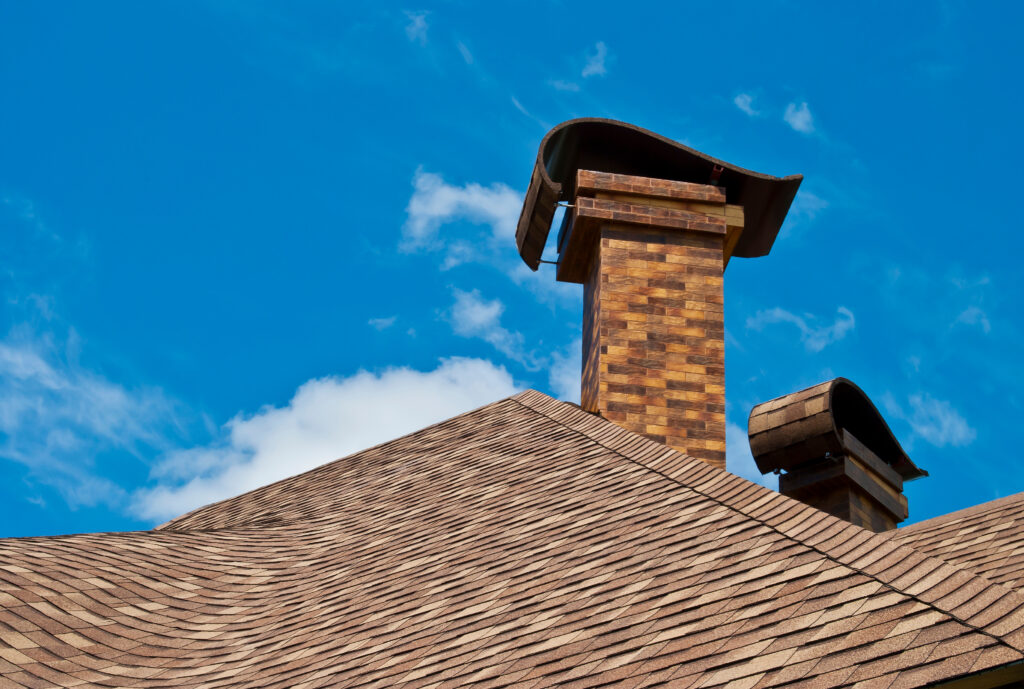
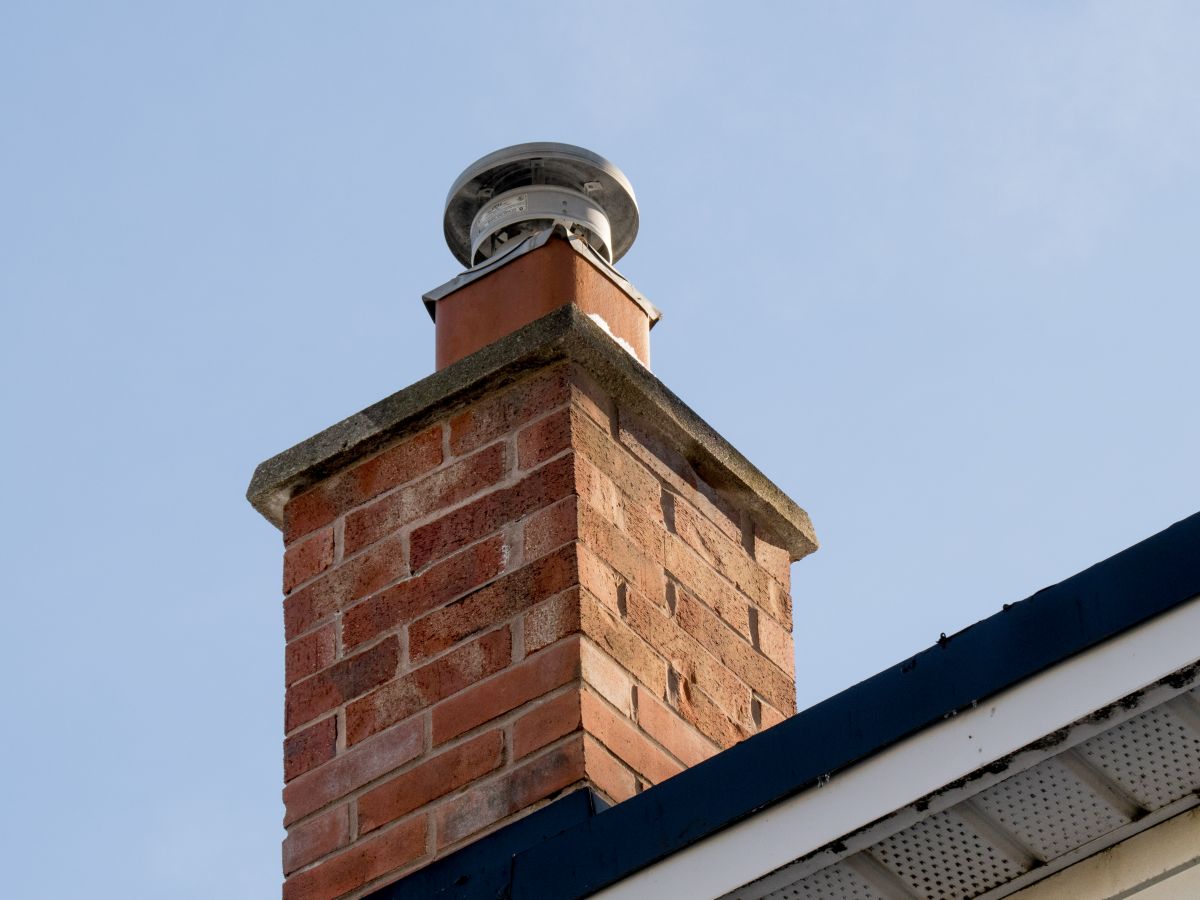
A chimney that is open at the top is essentially a hole in your roof. Rain falls directly into the flue, accelerating the deterioration of the mortar joints, the flue liner, and the firebox below. Animals including birds, squirrels, and raccoons use uncapped chimneys as nesting sites, and those nests create serious fire hazards and blockages. Wind-driven embers escaping through an uncapped chimney top can land on the roof or nearby structures.
Here is why a properly installed chimney cap is one of the highest-value small investments a homeowner can make:
- Water intrusion prevention: Rain entering an open chimney saturates the flue liner, the surrounding masonry, and the firebox. That moisture promotes rapid deterioration of mortar, cracks liner tiles, rusts dampers and fireboxes, and eventually works its way into the ceiling and walls adjacent to the chimney. A cap stops all of it at the source.
- Animal and debris exclusion: The mesh sides of a chimney cap prevent birds, squirrels, raccoons, and insects from entering the flue. Nesting material inside a chimney is a direct fire hazard and a blockage risk that affects draft performance even when no fire is burning.
- Spark and ember containment: A chimney cap with a mesh screen contains sparks and burning embers that would otherwise be carried by updrafts out of the top of the chimney and onto the roof or surrounding property. This is particularly important in dry seasons when roof fires from chimney sparks pose a real risk.
- Draft improvement: A properly sized chimney cap reduces wind-induced downdrafts that push smoke back into the home when wind flows across the chimney top at certain angles. Wind-directional caps designed specifically for this purpose can eliminate downdraft problems on chimneys with chronic draft issues.
- Reduced maintenance costs over time: A chimney without a cap deteriorates significantly faster than one that is properly protected. The cost of a chimney cap is modest relative to the repair costs it prevents, including flue liner replacement, firebox rebuilding, and moisture damage remediation.
The cap also protects the surrounding roofing material. Water channeled by the chimney top onto the adjacent flashing and shingles during rain events contributes to accelerated wear at one of the roof’s most vulnerable transition points.
7 Benefits of a Properly Installed Chimney Cap
Understanding the specific ways a chimney cap performs helps homeowners make a confident decision about installation and material selection. Knowing what each benefit actually prevents makes it easier to justify the investment and choose the right product for your specific chimney.
1. Single Flue Caps and Protection From Rainwater
This is the most fundamental function of a chimney cap. The top plate of the cap extends beyond the edges of the flue opening and directs rain away from the flue rather than into it. Without this protection, an average rainstorm delivers a meaningful volume of water directly down the flue and into the firebox below.
What moisture inside the flue causes:
- Spalling and cracking of clay tile flue liner sections
- Accelerated mortar joint deterioration between liner tiles
- Rusting of the damper assembly, making it difficult or impossible to operate properly
- Water accumulation in the firebox that stains and eventually damages the firebox floor and walls
- Moisture migration through the masonry into adjacent wall and ceiling cavities
2. Animal and Pest Exclusion
The mesh screen surrounding the cap opening is specifically designed to prevent wildlife from entering the flue. Without a cap, birds and small mammals find chimneys to be attractive nesting locations because they provide shelter, warmth, and protection from predators.
The problems animal entry creates:
- Nesting material is highly combustible and creates a blockage that prevents proper draft function
- Animal remains inside the flue create odor problems that enter the living space
- Scratching sounds and animal activity inside the chimney indicate active infestation that requires professional removal before the fireplace can be used safely
- Some bird species that nest in chimneys are federally protected, which limits what can legally be done to remove an established nest
3. Spark Containment and Fire Safety
When a fire burns in the firebox, updrafts carry small burning particles upward through the flue. Without a mesh screen at the top, those sparks exit freely and can travel significant distances before landing. On a roof surface covered with asphalt shingles, a live ember landing in a debris-filled gutter or on a dry wood shake is a genuine fire risk.
Chimney caps designed for spark containment use mesh with openings small enough to catch embers but large enough to allow adequate draft. The balance between these two requirements varies by mesh gauge, and a qualified installer can recommend the appropriate specification for your specific fireplace and flue dimensions.
4. Draft Stabilization
Wind flowing across the top of a chimney at certain angles creates negative pressure that pulls air down the flue rather than allowing it to draft upward. This downdraft pushes smoke into the home and makes the fireplace difficult or impossible to use comfortably. A standard chimney cap reduces this effect by creating a physical barrier that interrupts the direct wind-to-flue connection.
For chimneys with persistent downdraft problems, wind-directional caps that rotate to face away from the prevailing wind provide a more targeted solution. These rotating designs are more expensive than standard caps but solve a problem that standard caps only partially address.
5. Freeze-Thaw Cycle Protection
In climates with winter temperature fluctuations, moisture inside the chimney masonry expands when it freezes and contracts as it thaws. This repeated cycle cracks mortar joints, spalls brick faces, and eventually compromises the structural integrity of the chimney stack. A cap that keeps the interior dry reduces the moisture available for this cycle to work on.
Homeowners in Waxhaw, NC and surrounding areas experience enough winter temperature variation to make freeze-thaw damage a real concern, particularly for older chimneys with existing minor mortar deterioration that becomes significantly worse with each wet winter cycle.
6. Reduced Cleaning Frequency
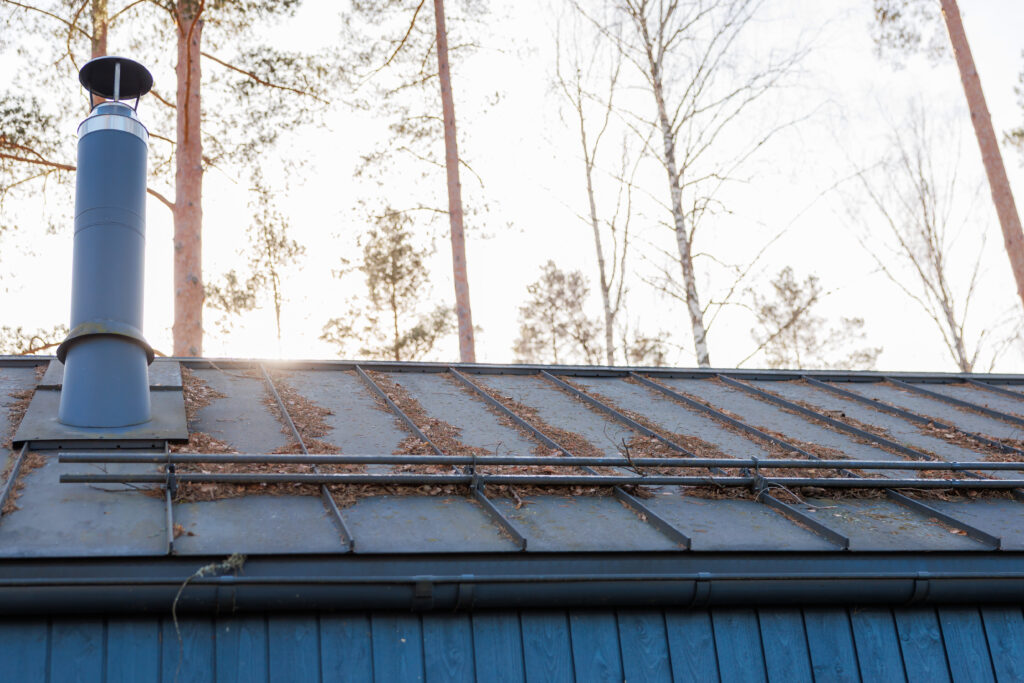
An uncapped chimney accumulates leaves, twigs, seed pods, and other organic debris in addition to any nesting material. That debris mixes with creosote deposits from wood burning and creates a more complex cleaning challenge than a capped chimney produces. Homeowners with capped chimneys consistently report less debris accumulation between cleanings, which translates to lower annual chimney maintenance costs.
7. Extended Flue Liner Lifespan
The flue liner is one of the most expensive components in a chimney system to repair or replace. Clay tile liners that experience repeated moisture exposure deteriorate significantly faster than those that are kept dry. A chimney cap that prevents direct rain entry into the flue extends the effective life of the liner system, which is a meaningful financial protection for homeowners who use their fireplace regularly.
Chimney Cap Costs: What To Expect
Cost varies based on cap material, chimney dimensions, and installation complexity. Understanding the cost components helps homeowners evaluate quotes accurately and avoid overpaying for a straightforward installation.
Material Cost by Cap Type
- Galvanized steel caps are the most affordable option and are appropriate for most standard residential chimneys. They resist rust reasonably well in moderate climates but can show corrosion in coastal or high-humidity environments within 10 to 15 years.
- Stainless steel caps cost more than galvanized but offer significantly better corrosion resistance and a longer service life. For homeowners who want a cap that will perform for 20 or more years without needing replacement, stainless is the better long-term investment.
- Copper caps are the premium option and the most durable. Copper does not rust, develops an attractive patina over time, and is appropriate for high-end homes where the cap will be visible from the street. Copper caps are significantly more expensive than either steel option but carry an essentially unlimited service life.
- Aluminum caps are lightweight and rust-resistant but are less durable than stainless steel in terms of structural integrity. They are appropriate for chimneys in moderate climates where cost is the primary consideration.
Multi Flue Caps: Installation Cost Factors
The labor cost of chimney cap installation depends on the height and accessibility of the chimney, whether the cap is a standard size or requires a custom fabrication, and whether any chimney crown repair is needed at the same time.
Most standard single-flue cap installations are completed in less than an hour by an experienced installer. Multi-flue chimneys or chimneys with damaged crown masonry require more time and a more complex installation scope.
How To Choose the Right Chimney Cap
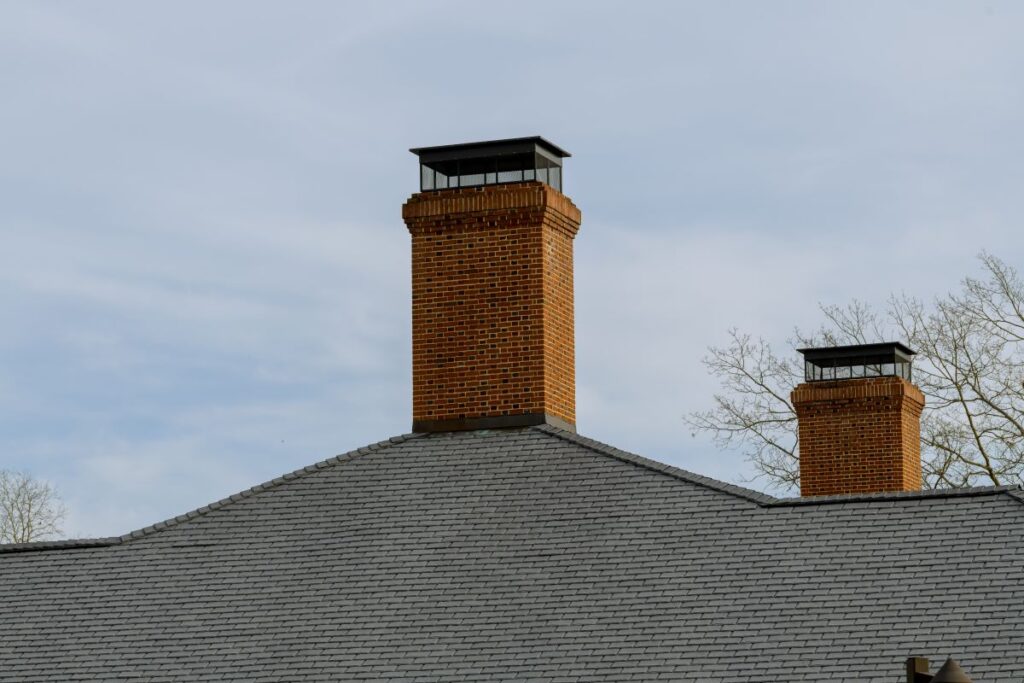
Selecting the right cap for your chimney involves matching the cap dimensions to the flue opening, choosing the appropriate material for your climate and aesthetic preferences, and deciding on any functional features like wind-directional design or additional spark arrestor specification.
Measure Your Flue Chimney Accurately Before Ordering Flue Caps
A chimney cap that does not fit properly is worse than no cap in some scenarios because it can create gaps that allow water infiltration while giving the appearance of protection. Caps are sized by the outside dimensions of the flue liner at the top of the chimney, not by the inside flue dimensions.
For homeowners who are not comfortable measuring on a roof surface, a professional installer can take accurate measurements during the same visit as the installation.
Match the Cap to Your Climate
Homeowners in Waxhaw, NC and surrounding areas deal with a climate that includes high summer humidity, occasional winter freezes, and periodic severe storms. Stainless steel caps are the most practical choice for this combination of conditions: corrosion-resistant, structurally durable, and rated for the wind speeds this region experiences.
Galvanized caps are a reasonable budget option for newer chimneys where initial cost is the priority. Copper caps are worth the premium for homeowners with older, architecturally distinctive homes where the chimney is a visible exterior feature.
Consider a Full Chimney Crown Assessment
The chimney crown is the concrete or mortar surface that surrounds the flue liner opening at the top of the chimney stack. A cracked or deteriorated crown allows water to penetrate the masonry even when a cap is in place. Having the crown inspected and repaired at the same time as cap installation ensures that the full system is watertight rather than solving one entry point while leaving another open.
Protect Your Chimney and Your Roof at the Same Time
A missing or failing chimney cap creates a moisture problem that does not stay contained to the chimney. Water that enters the flue migrates into the adjacent masonry and eventually into the roofing system at the chimney-to-roof intersection, which is already one of the highest-risk leak locations on any home. Addressing the cap is the first step, but it is part of a broader picture that includes the condition of the surrounding flashing, the chimney crown, and the roofing material adjacent to the stack.
Rock Roofing works with homeowners throughout Waxhaw, NC and surrounding areas to assess chimney cap condition, evaluate surrounding roof and flashing integrity, and complete the work needed to make the entire chimney-to-roof transition watertight. We give you a complete picture of what needs attention and a clear recommendation for what to prioritize.
If your chimney is missing a cap, has a cap that has shifted or corroded, or you simply want a professional inspection of the chimney and surrounding roof area, contact us today and let Rock Roofing give you the protection your home deserves.