Roofing
Roof Warranty (7 Things Homeowners Must Understand)
Most homeowners assume a roof warranty works like a simple guarantee, and that assumption is where expensive surprises begin. A roof warranty is really a set of separate promises with different coverage, different time limits, and different conditions for staying valid. Understanding those details before a problem appears is far easier than decoding them afterward. If you are planning a project and want to know what a complete installation involves, the warranty is one of the first things to review. Homeowners in Mint Hill, NC and surrounding areas deserve clarity on exactly what is protected.
Here is what you will learn in this guide:
- Why roof warranties are more complicated than they first appear
- The seven things every homeowner must understand before relying on one
- The difference between manufacturer and contractor warranties
- Common actions that quietly void coverage
- How to file a claim and what to document along the way
Why Understanding Your Roof Warranty Protects Your Investment
A roof is one of the largest purchases a homeowner makes, and the warranty is the written promise that stands behind it. The problem is that warranties are often handed over as a stack of paperwork at the end of a project, rarely read, and filed away until something goes wrong. By then, the details matter more than ever and the window to act may be shorter than expected.
Here is why taking the time to understand your coverage pays off:
- You know what is actually covered: Warranties typically cover specific failures, not every problem a roof can develop. Knowing the boundaries prevents false expectations and wasted time.
- You avoid accidentally voiding coverage: Certain maintenance mistakes, unapproved repairs, or ventilation problems can reduce or cancel protection. Awareness keeps your coverage intact.
- You can compare contractors accurately: Two proposals with similar prices can carry very different warranties. Reading the terms reveals which one offers real protection.
- You file claims faster and with better odds: Homeowners who understand the process and keep the right records move through claims with fewer delays and fewer disputes.
- You protect resale value: A transferable warranty with documented coverage can be a genuine selling point when you list your home.
Treating the warranty as a working document rather than a formality is one of the simplest ways to protect what you paid for.
7 Things Homeowners Must Understand About Their Roof Warranty
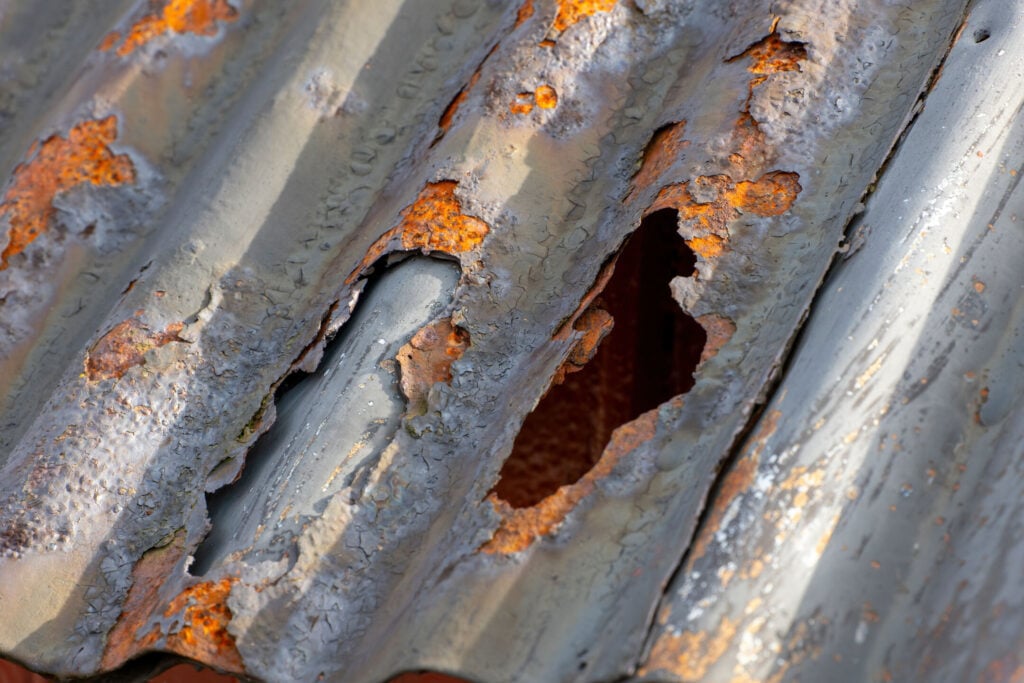
These are the points that most often separate homeowners who get value from their coverage from those who discover its limits too late. Homeowners in Mint Hill, NC and surrounding areas who review these items before signing a contract tend to avoid the most common frustrations.
1. Manufacturer Warranty vs. Contractor Workmanship Warranties
The manufacturer warranty covers the roofing materials themselves, such as defects in the shingles. The contractor warranty, often called a workmanship warranty, covers errors in how the roof was installed. Many roof problems in the early years come from installation rather than the material, which makes the contractor warranty just as important as the one from the manufacturer.
When reviewing coverage, confirm:
- Who provides each warranty and who is responsible for honoring it
- How long each one lasts and what it specifically covers
- Whether the workmanship warranty is backed by the contractor alone or by the manufacturer as well
- What happens if the contractor goes out of business
2. Warranty Length Does Not Equal Coverage Quality for Roofing Materials
A warranty advertised as lasting decades sounds impressive, but the length rarely tells the full story. Many long-term warranties are prorated, meaning coverage shrinks as the roof ages, and some cover only material defects while excluding labor.
Key distinctions to look for:
- Full coverage periods: The initial years when materials and sometimes labor are covered completely
- Prorated periods: Later years when the manufacturer pays only a declining portion of replacement cost
- Non-covered items: Many warranties exclude labor, tear-off, disposal, and damage from storms
- Wear limits: Normal aging, granule loss within expected limits, and cosmetic changes are generally not defects
Ask for a clear explanation of what the warranty pays in year one versus year fifteen.
3. Enhanced Warranties Often Require Certified Installers
Shingle manufacturers frequently reserve their strongest warranty options for roofs installed by contractors who have met specific certification requirements. These enhanced programs often require the use of matching system components, including underlayment, starter strips, ridge caps, and ventilation products.
If a contractor offers an enhanced warranty, ask them to put the program name and terms in writing. If they do not hold the required certification, the premium coverage may simply not be available no matter what is promised verbally.
4. What Is Not Covered Is Just as Important as What Is
Every warranty has exclusions, and they are often where claims run into trouble. Understanding them in advance helps you set realistic expectations and decide whether supplemental protection makes sense.
Common exclusions include:
- Storm damage from wind, hail, or falling trees, which is typically handled by homeowner’s insurance instead
- Damage from improper repairs made by someone other than an approved contractor
- Problems caused by inadequate attic ventilation or structural issues in the home
- Foot traffic damage, including damage from satellite dish installation or other rooftop work
- Algae or moss growth unless the shingle includes a specific algae resistance warranty
The distinction between warranty coverage and insurance coverage is one of the most misunderstood aspects of roofing, and it is worth confirming which one applies to a given type of damage.
5. Certain Actions Can Void Your Coverage
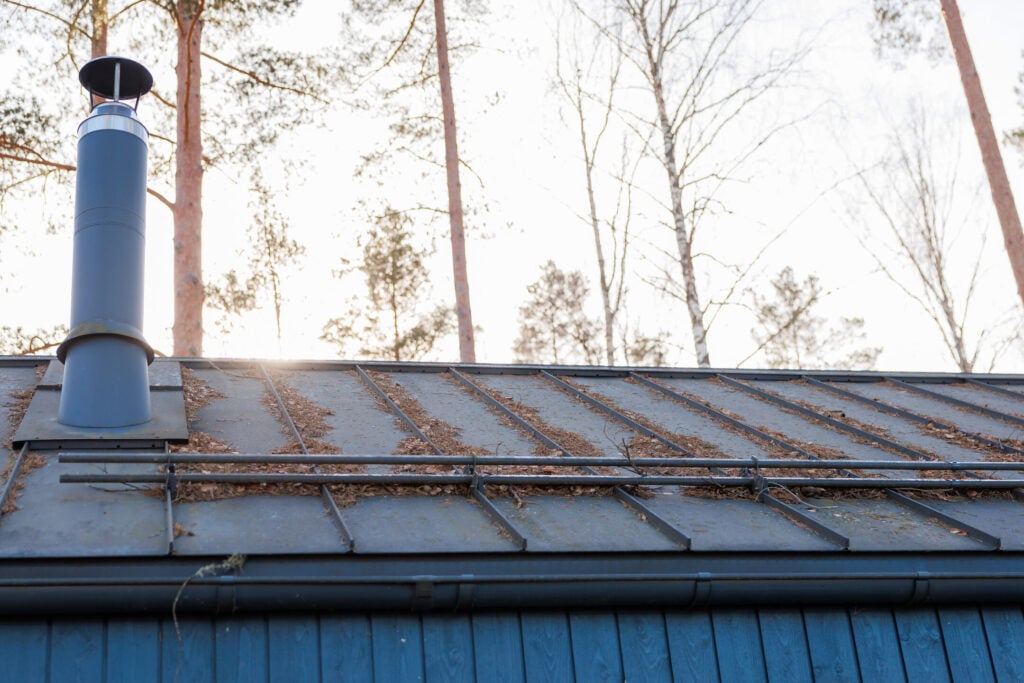
A warranty is a conditional promise, and the conditions are often spelled out in fine print. Homeowners sometimes void coverage without realizing it by making ordinary decisions about maintenance or repairs.
Actions that can put coverage at risk:
- Hiring an unapproved contractor to perform repairs on the roof
- Installing solar panels, antennas, or other equipment without following the manufacturer’s guidelines
- Failing to maintain proper attic ventilation
- Adding a second layer of shingles over the existing roof when the warranty prohibits it
- Neglecting regular maintenance such as clearing debris from valleys and gutters
Before making any modification to the roof, check with your contractor and the warranty documents to confirm it will not affect coverage.
6. Transferability Can Add Real Value at Resale
Some warranties can be transferred to a new homeowner, while others end when the property is sold. Transferable coverage can be a meaningful selling point because buyers value the assurance that the roof is protected.
Questions to ask about transferability:
- Is the warranty transferable at all, and how many times?
- Is there a fee or a deadline for transferring coverage after the sale?
- Does the transfer reduce the length or scope of coverage?
- What paperwork is required to complete the transfer?
Keep the original documents in a safe place and give copies to the buyer at closing.
7. Documentation and Timing Control Your Claim
Even a strong warranty can be difficult to use without the right records. Claims are typically evaluated against the original installation documents, the maintenance history, and the photographs showing the problem.
Keep a warranty file that includes:
- The signed contract and the itemized material list
- Copies of both the manufacturer and contractor warranty documents
- Photographs of the roof right after installation
- Records of any repairs or maintenance performed since
- Dates and notes for any problems you observe
Most warranties require notice within a specific period after discovering a problem, so act quickly rather than waiting to see if it gets worse.
How To File a Roof Warranty Claim Step by Step
When a problem appears, a calm and organized approach gives you the best chance of a smooth outcome. Homeowners in Mint Hill, NC and surrounding areas who follow a consistent process tend to resolve claims faster.
Document the Problem Immediately
Take clear, date-stamped photos and video of the issue from several angles, including interior damage if water has entered. Note the date you first noticed it and any recent weather events, since those details help determine the cause.
Review Your Coverage Before You Call
Read the warranty documents to confirm that the type of problem is covered and that you are within the claim window. This prevents you from being surprised by an exclusion during the first conversation.
Contact the Right Party First
For installation problems, start with the contractor who did the work. For material defects, the contractor often helps initiate the claim with the manufacturer. If the damage was caused by a storm, a homeowner’s insurance claim is usually the correct path instead.
Request an Inspection and Get Everything in Writing
Ask for a written inspection report and keep copies of every email and letter. If the findings differ from what you observed, an independent roofing inspection can provide a second professional opinion.
Warranty Versus Insurance: Knowing Which One Applies
Many homeowners confuse the two, and the confusion can delay repairs. Both protect your roof, but they cover very different situations.
| Situation | Typically Handled By |
| Shingle defect from the factory | Manufacturer warranty |
| Installation error or flashing failure | Contractor workmanship warranty |
| Hail or wind damage from a storm | Homeowner’s insurance |
| Damage from a fallen tree | Homeowner’s insurance |
| Normal aging and wear | Neither, considered maintenance |
| Leak caused by poor ventilation | Often excluded from both |
When Both Might Apply
Some situations involve both sources. If a storm exposes an installation weakness, an insurer may cover the storm damage while the contractor warranty addresses the underlying workmanship issue. An independent assessment helps sort out which part belongs to which source.
Why a Documented Inspection Helps Either Way
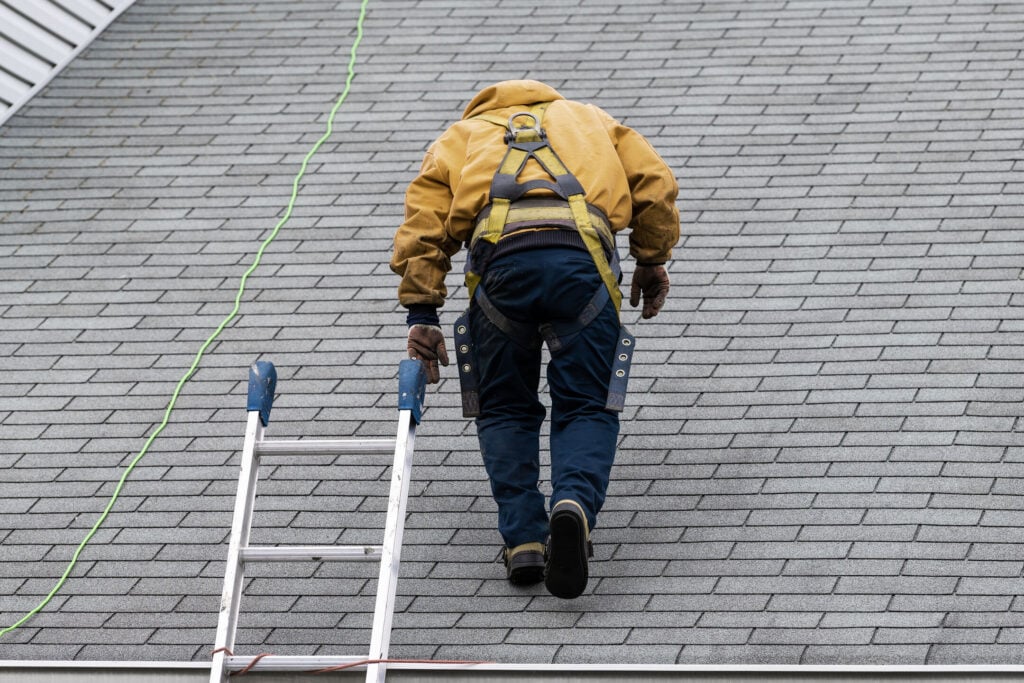
A written inspection report from a licensed roofer clarifies the cause of the damage and supports whichever claim applies. That documentation makes the process faster and reduces disagreements.
Make Sure Your Roof Is Protected the Way You Expect
A warranty is only as valuable as your understanding of it. Knowing the difference between manufacturer and contractor coverage, recognizing the exclusions, and keeping good records puts you in control when a problem arises. Homeowners in Mint Hill, NC and surrounding areas who treat the warranty as a living document consistently get better results than those who file it away and forget it.
Rock Roofing explains every warranty in plain language before a project begins, puts the terms in writing, and stands behind our workmanship with clear documentation and honest communication. We want you to know exactly what is protected and for how long, with no fine print surprises.
If you have questions about an existing warranty or want a clear explanation of the coverage on a new project, contact us today and let Rock Roofing help you protect your investment with confidence.